
Geico Multi-Car Insurance — Indiana
Free to compare
Geico Writes Multi-Car Policies in Indiana
You own two or more vehicles, you want to insure them with Geico, and you need to know whether Geico writes multi-car policies in Indiana and how the multi-vehicle discount actually works. Geico does write multi-car policies in Indiana. The carrier is licensed statewide, offers online quoting, and writes standard-tier auto coverage including multi-vehicle households. The multi-vehicle discount applies when every car you own sits on the same policy under the same named insured.
The structural reality many households miss: Geico's multi-vehicle discount requires every vehicle to appear on one policy. A car titled to a spouse on a separate policy does not count toward the discount. A vehicle garaged at a second address may not qualify. A household member's car insured under their own name sits outside the discount structure entirely. The discount is a same-policy benefit, not a same-household benefit.
“Geico's multi-vehicle discount requires every car on one policy under one named insured—a vehicle titled separately does not qualify.”

Meet Indiana's Requirements Without Overpaying
Get My Indiana Car Insurance Quote$25,000 / $50,000 / $25,000
Indiana Minimum Liability Limits
Indiana requires $25,000 bodily injury per person, $50,000 bodily injury per accident, and $25,000 property damage. Every vehicle on your Geico policy must carry at least these minimums to meet state registration requirements.
Indiana Bureau of Motor Vehicles
How the Multi-Vehicle Discount Works at Geico
Geico's multi-vehicle discount lowers the premium when you insure two or more cars on the same policy. The discount applies to the total policy premium, not to each vehicle individually. Adding a second car triggers the discount on both vehicles. Adding a third car deepens it. The structure rewards consolidation: one policy covering every car you own costs less than multiple policies covering the same vehicles separately.
The discount does not apply automatically when you add a vehicle mid-term. You must notify Geico within the carrier's grace period—typically 30 days for a newly purchased vehicle—and request that the new car be added to the existing policy. If you start a separate policy for the new vehicle instead, you forfeit the multi-vehicle discount on both policies. The same-policy requirement is strict.
Geico re-rates the entire policy when you add or remove a vehicle. The new premium reflects the combined risk of every car on the policy, every driver in the household, and the garaging address. A third vehicle driven by a teen raises the premium more than a third vehicle driven by an experienced adult. The multi-vehicle discount offsets part of that increase, but it does not eliminate it.
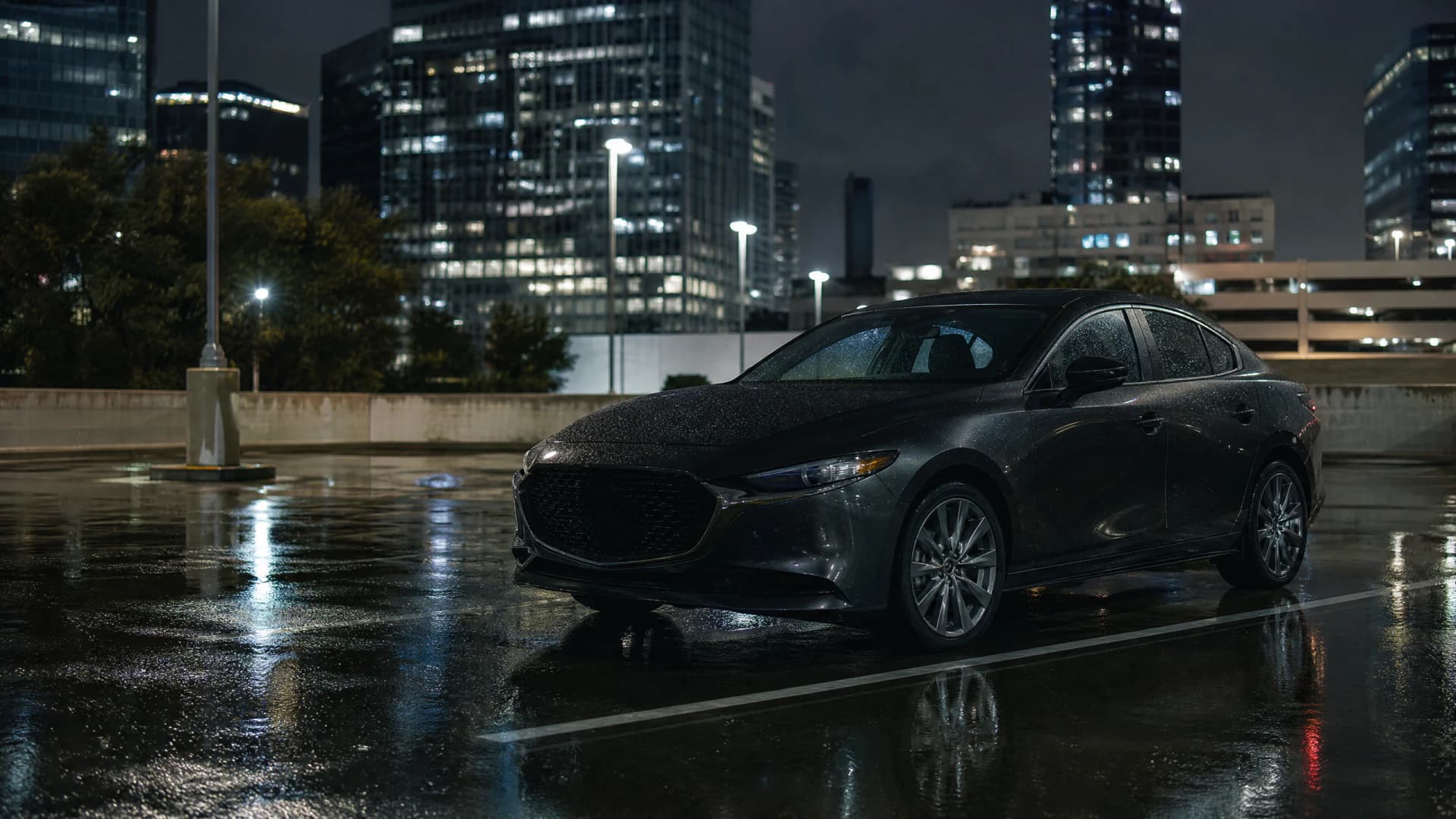
A vehicle titled to a household member on a different policy does not qualify for Geico's multi-vehicle discount. The discount requires every car on one policy under one named insured.






Adding a Vehicle to an Existing Geico Policy
You bought a second or third car and you need to add it to your existing Geico policy. Geico covers a newly purchased vehicle under your existing policy for 30 days from the purchase date, but only if you notify the carrier within that window and formally add the vehicle. If you miss the 30-day grace period, the new car is not covered. If you have a claim involving the unreported vehicle, Geico can deny it.
To add the vehicle, log in to your Geico account online, call the carrier, or use the mobile app. Provide the VIN, the purchase date, the vehicle's garaging address, and the name of every driver who will operate it. Geico re-rates the policy immediately and provides a new premium. The multi-vehicle discount applies to the updated policy as long as every vehicle remains on the same policy under the same named insured.
If the new vehicle is titled to a household member who is not the named insured on your policy, adding it requires either re-titling the vehicle or adding the household member as a co-insured on the policy. Geico does not extend the multi-vehicle discount to a vehicle titled to someone outside the policy. The structural requirement is strict: same policy, same named insured, same garaging address in most cases.
14%
Indiana Uninsured Motorist Rate
Fourteen percent of Indiana motorists drive uninsured. Geico offers uninsured and underinsured motorist coverage as optional add-ons to a multi-car policy, protecting every vehicle and driver on the policy when an at-fault driver carries no insurance.
Insurance Research Council, 2023

Combining Two Policies After Marriage or a Move
You and your spouse each carry a separate Geico policy, and you want to know whether combining them into one multi-car policy saves money. Combining two policies triggers Geico's multi-vehicle discount and eliminates duplicate policy fees. In most cases, the combined premium is lower than the sum of the two separate premiums. The exception: if one spouse has a significantly worse driving record or a high-risk vehicle, combining policies can raise the total premium because Geico re-rates both vehicles based on the combined household risk.
To combine policies, contact Geico and request that both policies be merged under one named insured. Geico will re-rate every vehicle and every driver on the new combined policy and provide a new premium quote. Compare the combined premium to the sum of your current separate premiums before finalizing. If the combined premium is higher, you can keep the policies separate, but you forfeit the multi-vehicle discount.
Compare Geico to Other Indiana Carriers
Geico is one of 25 carriers writing auto insurance in Indiana. Other carriers licensed in the state include State Farm, Progressive, Allstate, Nationwide, Farmers, Liberty Mutual, and Erie. Each carrier structures the multi-vehicle discount differently. Some apply the discount as a percentage off the total premium; others apply it as a flat dollar amount per vehicle. Some carriers require every vehicle to share the same garaging address; others allow exceptions for college students or second homes.
To find the lowest premium for your household's vehicles, compare quotes from at least three carriers. Provide the same coverage limits, the same deductibles, and the same driver and vehicle information to each carrier. The multi-vehicle discount is only one factor in the total premium. A carrier with a smaller discount but a lower base rate can cost less than a carrier with a larger discount on a higher base rate. Compare the final quoted premium, not the discount percentage.
Same-Policy Requirements for the Discount
Every vehicle must appear on the same Geico policy. A car titled to you and insured under your name, and a car titled to your spouse and insured under their name on a separate Geico policy, do not qualify for the multi-vehicle discount. The discount is a same-policy benefit. If you and your spouse each carry a separate Geico policy, combining both policies under one named insured triggers the discount. If you keep the policies separate, the discount does not apply to either policy.
Every vehicle must share the same garaging address in most cases. Geico allows exceptions for vehicles garaged at a second address—such as a college student's car at a campus address—but the exception must be disclosed and approved at the time the vehicle is added. A car garaged at an undisclosed address can be denied at claim time. If you own a vehicle garaged elsewhere, notify Geico when you add it to the policy and confirm whether the multi-vehicle discount still applies.
Get Your Free Quote
Get My Indiana Car Insurance QuoteFrequently Asked Questions
Does Geico offer a multi-car discount in Indiana?
Yes. Geico offers a multi-vehicle discount in Indiana when you insure two or more cars on the same policy under the same named insured. The discount applies to the total policy premium and increases as you add more vehicles.
Can I add a car to my Geico policy if it is titled to my spouse?
You can add a car titled to your spouse only if your spouse is added as a co-insured on the policy or if the vehicle is re-titled to match the named insured. Geico does not extend the multi-vehicle discount to a vehicle titled to someone outside the policy.
How long do I have to add a newly purchased car to my Geico policy?
Geico covers a newly purchased vehicle under your existing policy for 30 days from the purchase date, but only if you notify the carrier within that window. If you miss the 30-day grace period, the new car is not covered and a claim can be denied.
Does combining two Geico policies always save money?
Combining two Geico policies into one multi-car policy triggers the multi-vehicle discount and usually lowers the total premium. The exception is when one spouse has a significantly worse driving record or a high-risk vehicle, which can raise the combined premium above the sum of the two separate premiums.
What coverage do I need to meet Indiana requirements on a Geico multi-car policy?
Every vehicle on your Geico policy must carry at least $25,000 bodily injury per person, $50,000 bodily injury per accident, and $25,000 property damage to meet Indiana minimum liability requirements. These limits apply to each vehicle on the policy.