
Full Coverage Car Insurance Cost — Indiana
Free to compare
What Full Coverage Means for Multiple Vehicles in Indiana
You own two or more cars and you're deciding whether to carry full coverage on all of them, some of them, or none. The term full coverage is not an insurance product — it is shorthand for a combination of coverages that together protect both the other driver and your own vehicles. In Indiana, full coverage typically means state-required liability plus collision and comprehensive on each car. When you insure multiple vehicles on one policy, you choose the coverage level independently for each car.
This matters because many households assume full coverage is an all-or-nothing decision across the policy. It is not. You can carry full coverage on the newer sedan, liability-only on the older truck, and a different deductible on the leased SUV — all on the same policy. The premium reflects the sum of each vehicle's coverage choices, not a flat rate for the household.
“Full coverage is liability plus collision plus comprehensive, and you choose the deductible separately for each car on your policy.”

Meet Indiana's Requirements Without Overpaying
Get My Indiana Car Insurance Quote$25,000 / $50,000 / $25,000
Indiana Minimum Liability Limits
Indiana requires $25,000 bodily injury per person, $50,000 bodily injury per accident, and $25,000 property damage. These minimums apply to every vehicle on your policy, but they do not cover damage to your own cars — that requires collision and comprehensive.
Indiana Bureau of Motor Vehicles
The Three Components of Full Coverage
Full coverage in Indiana combines three layers. Liability coverage is mandatory and pays for damage you cause to others — bodily injury and property damage up to your policy limits. Collision coverage is optional and pays to repair or replace your car after a crash with another vehicle or object, minus your deductible. Comprehensive coverage is optional and pays for damage from non-collision events — theft, vandalism, hail, fire, hitting a deer — minus your deductible.
When you add a second or third vehicle to your policy, you select collision and comprehensive independently for each car. A household with three vehicles might carry full coverage on two and liability-only on the third. The older the vehicle, the less sense collision and comprehensive make — once a car's value drops below a threshold where the annual premium for those coverages approaches the car's replacement value, many drivers drop them.
Deductibles are per vehicle, not per policy. If you choose a $500 deductible on one car and a $1,000 deductible on another, and both are damaged in the same incident, you pay both deductibles. The policy does not pool them.
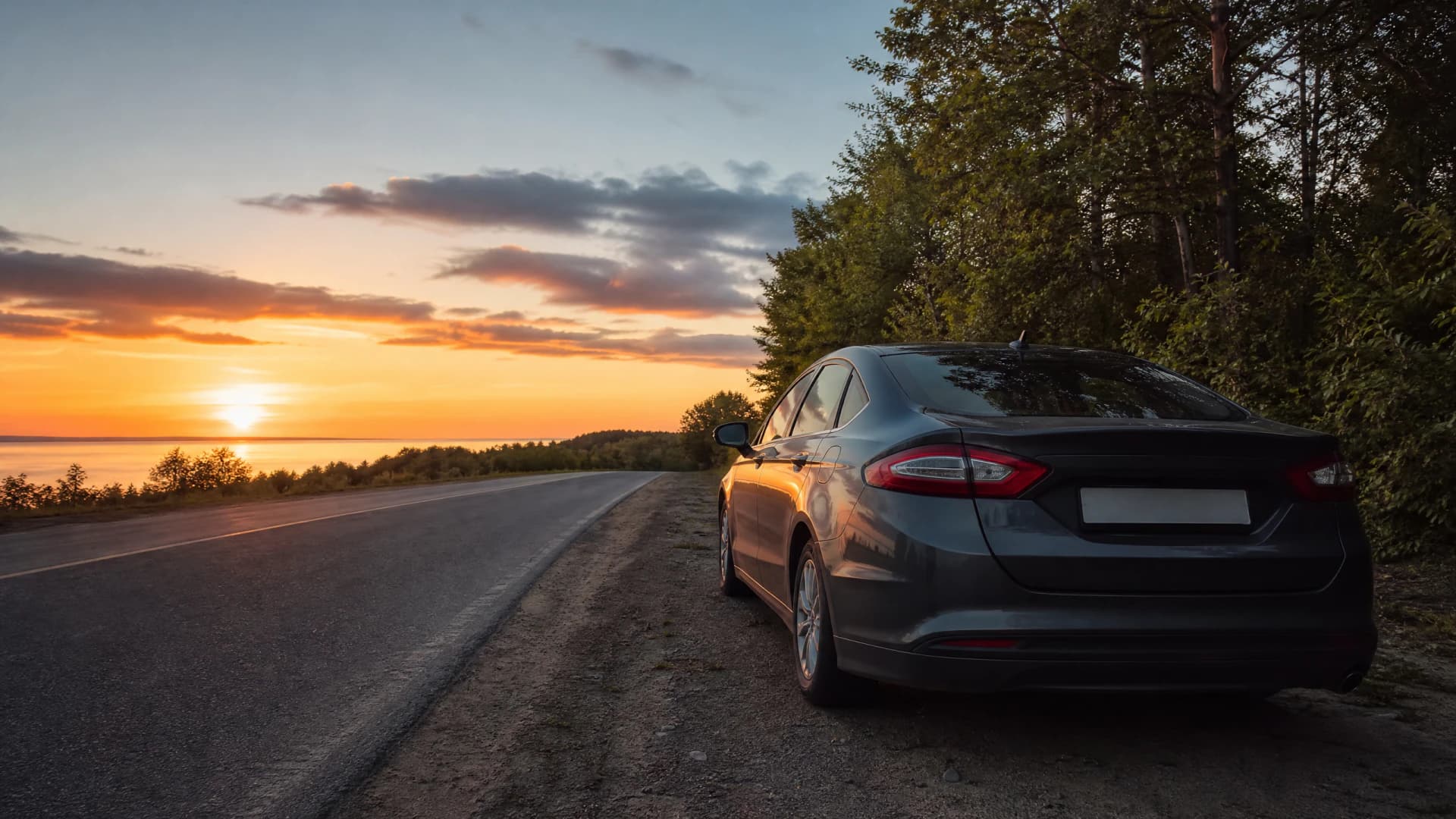
Full coverage is not a product Indiana sells — it is liability plus collision plus comprehensive, and you choose the collision and comprehensive deductible separately for each car on your policy.
Related Articles






When to Drop Collision and Comprehensive on Older Vehicles
Collision and comprehensive coverages pay up to the actual cash value of the car, minus the deductible. Many drivers drop those coverages once the car's value falls below a point where the annual premium exceeds 10 percent of the vehicle's value.
When you insure multiple vehicles, this calculation happens independently for each car. A household with a new truck, a five-year-old sedan, and a twelve-year-old hatchback might carry full coverage on the truck, collision and comprehensive with a high deductible on the sedan, and liability-only on the hatchback. The policy premium reflects those choices, and the multi-car discount applies to the liability portion across all three vehicles.
Lienholders and lessors require collision and comprehensive as a condition of the loan or lease. If you still owe money on a car, you cannot drop those coverages without violating the financing agreement. Once the car is paid off, the choice is yours.
$1,153.05
Indiana Average Annual Auto Expenditure Per Vehicle
Indiana drivers spent an average of $1,153.05 per insured vehicle in 2023, according to NAIC data. That figure includes all coverage types and driver profiles statewide. Your household's actual premium depends on the number of vehicles, coverage levels, deductibles, driving records, and the carriers you compare.
NAIC Auto Insurance Database Report 2023

How the Multi-Car Discount Applies to Full Coverage Policies
The multi-car discount reduces the liability premium when you insure two or more vehicles on the same policy. It does not typically reduce the collision or comprehensive premium for each car — those coverages are priced per vehicle based on the car's value, the deductible, and the driver's profile. The discount applies to the shared liability layer, which is why combining vehicles on one policy almost always costs less than insuring them separately, even when all cars carry full coverage.
When you add a third or fourth vehicle to a policy that already carries the multi-car discount, the incremental cost is the new car's liability, collision, and comprehensive premiums, minus the marginal increase in the multi-car discount. Some carriers apply a larger discount as the vehicle count rises; others cap the discount at two or three cars. Compare carriers that write multi-vehicle policies and ask how the discount scales with vehicle count.
Compare Carriers That Write Multi-Vehicle Full Coverage in Indiana
Indiana licenses dozens of carriers, and their pricing for multi-car full coverage policies varies widely. Carriers that specialize in multi-vehicle households often price the second and third cars more competitively than carriers that focus on single-car policies. When you request quotes, provide the same coverage levels and deductibles to each carrier so the comparison is apples-to-apples. Ask each carrier how their multi-car discount works, whether it applies to all vehicles or caps at a certain count, and how changing a deductible on one car affects the total premium.
Use the site's comparison tool to request quotes from carriers writing in Indiana. Provide the year, make, model, and approximate value of each vehicle, the coverage level you want on each, and the deductible you are considering. The tool routes your request to carriers that write multi-vehicle policies and returns quotes you can compare side by side. Adjust deductibles and coverage levels to see how each change affects the total premium across all your cars.
How Deductible Choices Affect Multi-Car Premiums
A $500 collision deductible costs more per month than a $1,000 deductible on the same car, because the carrier pays sooner in a claim. When you insure multiple vehicles, you can mix deductible levels across the cars. Many households choose a lower deductible on a financed or leased vehicle where the lienholder requires collision and comprehensive, and a higher deductible on a paid-off car where the driver can afford to cover more of a repair out of pocket.
The premium difference between a $500 and $1,000 deductible varies by carrier, vehicle value, and driver profile, but the relationship is consistent: raising the deductible lowers the premium for that car. When you compare quotes for a multi-car policy, ask each carrier for the premium at multiple deductible levels for each vehicle. The total policy premium is the sum of each car's coverage choices, so optimizing deductibles across three cars can produce a lower total than choosing the same deductible for all three.
Get Your Free Quote
Get My Indiana Car Insurance QuoteFrequently Asked Questions
Does full coverage in Indiana cover all damage to my car?
No. Full coverage combines liability, collision, and comprehensive, but each has limits and exclusions. Collision pays for crash damage minus your deductible, up to the car's actual cash value. Comprehensive pays for non-collision damage minus your deductible, also capped at actual cash value. Liability covers damage you cause to others, not your own car.
Can I carry full coverage on one car and liability-only on another on the same policy?
Yes. Indiana allows you to choose coverage levels independently for each vehicle on a multi-car policy. Many households carry full coverage on newer or financed cars and liability-only on older paid-off vehicles. The policy premium is the sum of each car's coverage choices.
How does the multi-car discount apply when all vehicles have full coverage?
The multi-car discount typically reduces the liability premium when you insure two or more vehicles on one policy. It does not usually reduce the collision or comprehensive premium for each car, because those coverages are priced per vehicle based on value and deductible. The discount applies to the shared liability layer across all cars.
What deductible should I choose for collision and comprehensive on a multi-car policy?
Choose based on each car's value and your ability to cover a repair out of pocket. A $500 deductible costs more per month than a $1,000 deductible on the same car. Many households use a lower deductible on financed vehicles and a higher deductible on paid-off cars. Compare the premium difference at multiple deductible levels for each vehicle.
When should I drop collision and comprehensive on an older car?
Drop them when the annual premium for those coverages approaches or exceeds 10 percent of the car's actual cash value. Once the car is paid off, the choice is yours.