
Liability Coverage Limits — Indiana
Free to compare
The Multi-Car Liability Question
You insure two or three vehicles on one Indiana policy, and you're deciding whether to carry the state minimum liability limits or buy higher coverage. The question feels straightforward until you realize that one liability limit applies to every vehicle on your policy — your sedan, your spouse's SUV, your teenager's older car — and a single accident involving any of those vehicles can exhaust the entire per-person cap.
Indiana law requires $25,000 bodily injury per person, $50,000 bodily injury per accident, and $25,000 property damage. Those figures represent the floor, not a recommendation. When you add a second or third vehicle to your policy, the liability limit does not multiply — the same $25,000 per-person ceiling covers every car you own, and the structural exposure grows with each vehicle you add.
“The liability limit you choose applies to every vehicle on your policy — adding a third car increases exposure but not the coverage cap.”

Meet Indiana's Requirements Without Overpaying
Get My Indiana Car Insurance Quote$25,000 / $50,000 / $25,000
Indiana Minimum Liability
Bodily injury coverage pays $25,000 maximum per person injured, $50,000 maximum per accident regardless of the number of people hurt, and $25,000 maximum for property damage. These limits apply to every vehicle on your policy.
Indiana Bureau of Motor Vehicles
How Liability Limits Work Across Multiple Vehicles
A multi-car policy does not give each vehicle its own liability limit. The $25,000 per-person and $50,000 per-accident caps are policy-level limits, not per-vehicle limits. If your teenager causes an accident in the family's third car and injures two people, the policy pays up to $25,000 for the first person's medical bills and up to $50,000 total for both — even though you insure three vehicles.
The structural reality: adding vehicles increases your household's exposure to liability claims, but the coverage ceiling stays fixed unless you choose higher limits. A household with one car faces the same per-accident cap as a household with four cars, yet the four-car household has four times the opportunity for a claim to occur.
Property damage works the same way. The $25,000 property-damage limit is the maximum your policy pays when any of your household's vehicles damages someone else's car, fence, or building.
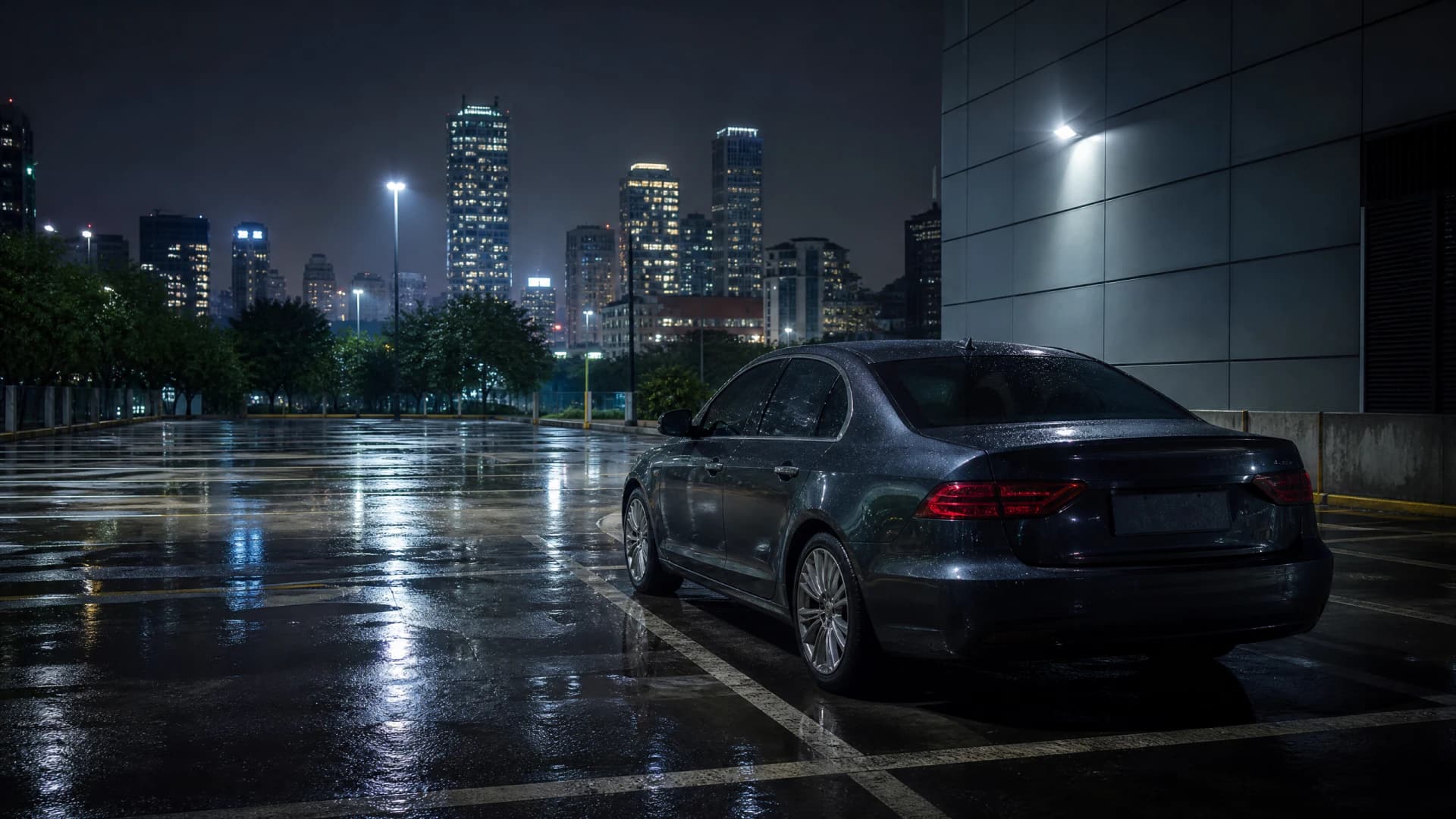
The liability limit you choose applies to every vehicle on your policy. Adding a third car does not increase the per-person cap — it increases the number of vehicles that share the same cap.
Related Articles

Indiana Multi-Car Insurance Requirements
7/15/2026

Indiana Minimum Liability Coverage Limits
7/15/2026
Indiana Property Damage Liability Required
7/15/2026

Indiana Minimum Car Insurance Requirements
7/15/2026

Indiana 25/50/25 Liability Limits Explained
7/15/2026

Indiana Car Insurance Law Requirements
7/15/2026
State-Specific Liability Context
Indiana follows a fault-based system: the driver who causes the accident is liable for the other party's damages, and that driver's liability coverage pays the claim up to the policy limit. If you cause an accident and the injured party's medical bills exceed your per-person limit, the injured party can sue you personally for the difference. Indiana does not cap pain-and-suffering damages in most auto-accident cases, so a serious injury claim can produce a judgment well above the state minimum.
Indiana does not require uninsured-motorist coverage, but 14 percent of Indiana drivers carry no insurance. When an uninsured driver hits one of your household's vehicles, your own collision coverage pays for your car's damage, but you have no automatic coverage for your medical bills unless you bought uninsured-motorist bodily-injury coverage. Households with multiple vehicles face multiple opportunities for an uninsured driver to cause a loss, and higher liability limits do not protect you in that scenario — uninsured-motorist coverage does.
The state's SR-22 filing requirement applies when a driver's license is suspended for certain violations, and the filing obligates the carrier to notify the Indiana Bureau of Motor Vehicles if the policy lapses. Households adding a driver with an SR-22 requirement to a multi-vehicle policy should confirm that the liability limits meet the state's proof-of-financial-responsibility threshold, which matches the 25/50/25 minimum. Higher limits satisfy the requirement automatically.
14%
Indiana Uninsured Motorists
Fourteen percent of Indiana drivers carry no liability insurance. A household with three vehicles has three times the exposure to an uninsured driver compared to a household with one vehicle, yet the same uninsured-motorist coverage limit applies to every car on the policy.
Insurance Information Institute, 2023

Choosing Limits When You Add a Vehicle
Adding a second or third vehicle to your policy re-rates the entire policy, and that re-rating moment is the natural time to adjust your liability limits. Carriers calculate premium based on the combined risk of every vehicle and driver on the policy, and the liability limit you choose affects the base rate for all vehicles. A household moving from one car to two cars often sees a smaller percentage increase in total premium when raising limits from 25/50/25 to 50/100/50 at the same time, because the carrier's underwriting model prices the higher limit into the multi-vehicle base rate.
Households with teenage drivers face higher liability exposure because teen drivers statistically cause more at-fault accidents than experienced drivers. If your household adds a vehicle for a 16-year-old driver, the minimum liability limit leaves you exposed to a judgment that exceeds $25,000 per person in any accident the teen causes. The premium increase for higher limits is proportionally smaller than the risk increase the teen driver introduces, and most carriers writing teen drivers in Indiana offer 50/100/50 or 100/300/100 as standard options on multi-vehicle policies.
Compare Carriers and Limits Together
Liability limits and carrier choice are not independent decisions. Different carriers price the same limits differently, and a carrier offering a lower premium at 25/50/25 may charge a higher premium at 100/300/100 than a competitor does. Households with multiple vehicles should compare quotes at the liability limit they actually intend to carry, not at the state minimum, because the ranking of carriers by price changes as limits increase.
Request quotes from carriers writing multi-vehicle policies in Indiana at 50/100/50 and 100/300/100 limits. The quote should reflect every vehicle on your policy, every driver in your household, and the garaging address for each car. Carriers use vehicle-specific and location-specific rating factors, so a quote for two vehicles garaged at the same address will differ from a quote for two vehicles garaged in different counties. Compare the total premium for the household, not the per-vehicle cost, because the multi-car discount and the liability-limit premium interact in ways that vary by carrier.
Evaluating Higher Limits for Your Household
Start with the assets you would lose in a judgment that exceeds your liability limit. Indiana permits creditors to garnish wages, place liens on real property, and seize non-exempt assets to satisfy a liability judgment. If your household owns a home with equity, retirement accounts above the state's exemption threshold, or investment accounts, those assets are at risk when your liability coverage runs out. A $25,000 per-person limit exhausts quickly in any accident involving serious injury — emergency-room treatment, surgery, and follow-up care for a broken bone can exceed that figure before the injured party even files a claim.
Compare 50/100/50 and 100/300/100 limits against the state minimum. A 100/300/100 policy doubles those caps. Carriers writing multi-vehicle policies in Indiana typically offer both tiers; the premium difference between 25/50/25 and 50/100/50 is smaller than most households expect, and the gap between 50/100/50 and 100/300/100 is smaller still. The cost structure reflects the carrier's risk model, and higher limits often add less to your total premium than adding a third vehicle does.
Get Your Free Quote
Get My Indiana Car Insurance QuoteFrequently Asked Questions
Does each vehicle on my Indiana policy get its own liability limit?
No. The liability limit is a policy-level cap, not a per-vehicle cap. If you carry 25/50/25 and insure three vehicles, the $25,000 per-person and $50,000 per-accident limits apply to any accident involving any of your three vehicles. Adding vehicles does not increase the coverage ceiling.
What liability limit should I carry if I insure multiple vehicles in Indiana?
Households with multiple vehicles typically benefit from 50/100/50 or 100/300/100 limits because the exposure to liability claims scales with vehicle count while the minimum 25/50/25 limit does not. Compare the premium difference against the assets you would lose in a judgment that exceeds your coverage.
Does raising my liability limit cost more when I add a second vehicle?
The premium increase for higher limits is often proportionally smaller when you add a vehicle at the same time, because carriers price the liability limit into the multi-vehicle base rate. Request quotes at the limit you intend to carry, not at the state minimum, to see the actual cost difference for your household.
What happens if my teenager causes an accident that exceeds my liability limit?
The injured party can sue you personally for the amount that exceeds your policy limit. Indiana does not cap pain-and-suffering damages in most auto-accident cases, so a serious injury claim can produce a judgment well above 25/50/25. Households with teen drivers face higher liability exposure and should evaluate 50/100/50 or 100/300/100 limits.
Do I need uninsured-motorist coverage if I carry high liability limits?
Yes. Liability coverage pays when you cause an accident; uninsured-motorist coverage pays when an uninsured driver hits you. Fourteen percent of Indiana drivers carry no insurance, and higher liability limits do not protect you in that scenario. Households with multiple vehicles face multiple opportunities for an uninsured driver to cause a loss.