
Choosing a Car Insurance Carrier — Indiana
Free to compare
Why Carrier Choice Matters for Multi-Vehicle Households
You own two or three vehicles, you want the multi-car discount, and you're comparing carriers. The friction: not every carrier in Indiana writes all vehicle types on the same policy, and the multi-car discount requires every vehicle to sit on one policy. A carrier that writes your sedan but not your truck, or accepts your spouse's clean record but not your teenager's learner permit, cannot give you the discount.
Indiana has 4,653,808 licensed drivers and 5,383,640 registered vehicles. The state requires $25,000 bodily injury per person, $50,000 per accident, and $25,000 property damage. Fourteen percent of motorists are uninsured. Choosing a carrier means confirming it writes all your vehicles, accepts all your household drivers, and structures the policy so every vehicle qualifies for the same-policy discount.
“A carrier that writes your sedan but not your truck cannot give you the multi-car discount.”

Meet Indiana's Requirements Without Overpaying
Get My Indiana Car Insurance Quote14%
Indiana Uninsured Motorist Rate
One in seven drivers on Indiana roads carries no insurance. Uninsured motorist coverage is optional in Indiana, but households with multiple vehicles often add it to protect assets across all cars on the policy.
NAIC uninsured motorist data, 2023
The Same-Policy Requirement
The multi-car discount applies when every vehicle in your household sits on one policy. A second car titled to your spouse on a separate policy does not count. A third vehicle insured through a different carrier does not count. The discount is structural: carriers price multi-vehicle policies lower because they capture the entire household's premium and reduce administrative overhead.
Indiana carriers enforce this requirement strictly. If you add a second vehicle mid-term, the policy re-rates to include the new car and applies the discount to both. If you remove a vehicle or move one to a separate policy, the discount recalculates or disappears. The same-policy rule is the structural reality every household must plan around.
Some carriers require all vehicles to garage at the same address. Others allow different garaging addresses as long as the vehicles belong to the same household and sit on one policy. Confirm the carrier's garaging rule before you add a vehicle kept at a second location.
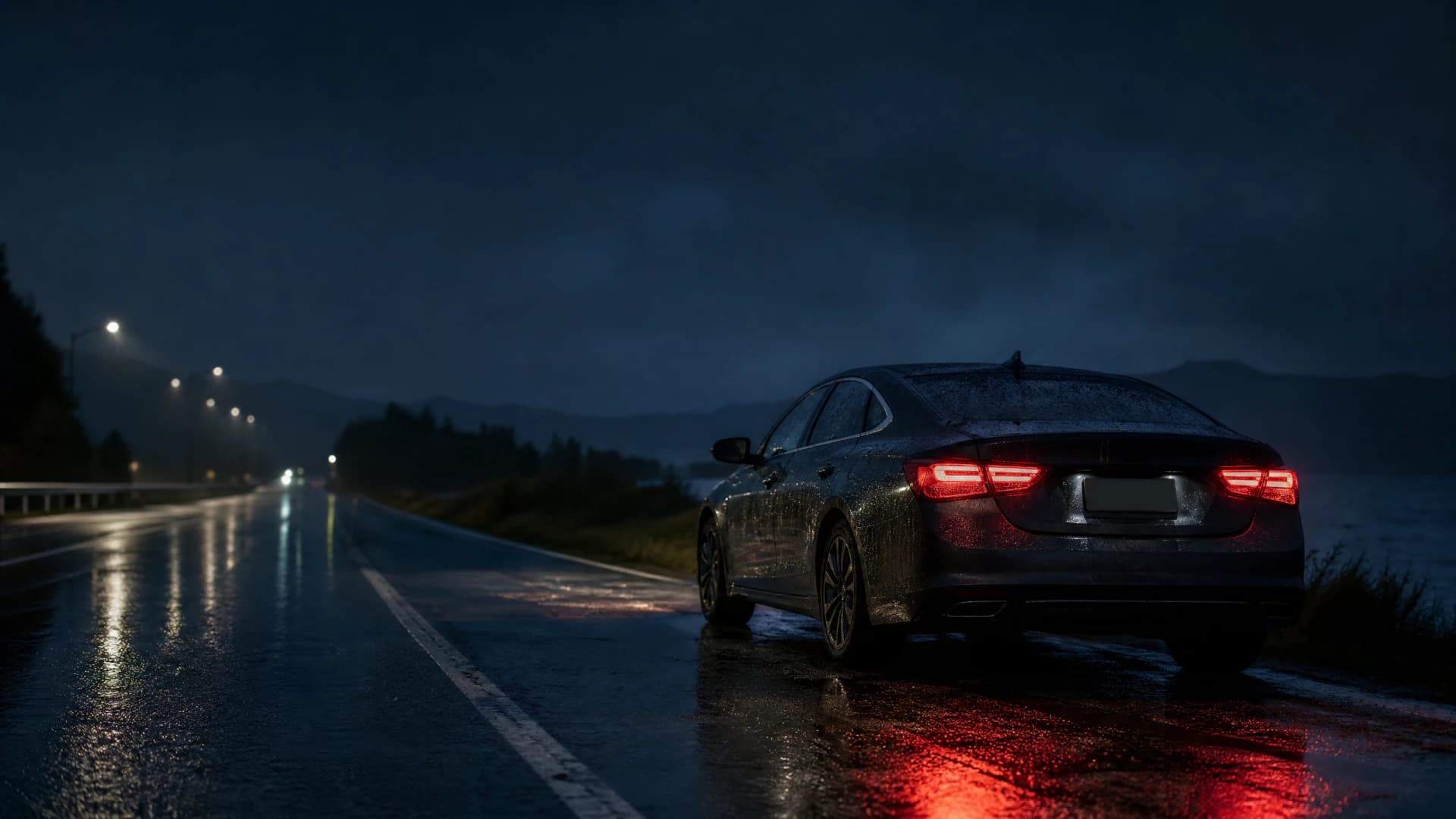
Not every carrier writes all vehicle types or accepts all driver profiles on the same policy. A carrier that cannot write your truck or your teen's car cannot give you the multi-car discount.
Related Articles







Carrier Roster and Multi-Vehicle Capability
Indiana licenses 29 carriers that write personal auto insurance. Not all write multi-vehicle policies with the same flexibility. Standard and preferred carriers like State Farm, Geico, Progressive, Allstate, and Nationwide write most vehicle types and driver profiles on one policy. Non-standard carriers like Acceptance, Bristol West, Dairyland, The General, and GAINSCO write high-risk drivers and file SR-22 certificates, but their multi-car discounts and same-policy rules vary.
Carriers that write SR-22 filings often segment policies by risk tier. A household with one clean-record driver and one SR-22 filer may find that the carrier writes both on one policy but prices the SR-22 vehicle at a non-standard rate and the clean vehicle at a standard rate, reducing the effective discount. Other carriers require separate policies for SR-22 and non-SR-22 vehicles, eliminating the multi-car discount entirely.
USAA writes preferred-risk multi-vehicle policies for military members and their families. Eligibility is strict: you must be an active-duty service member, veteran, or family member of a USAA policyholder. If you qualify, USAA's multi-car discount and claims service are competitive. If you do not qualify, you cannot apply.
Regional carriers like Auto-Owners and Erie write multi-vehicle policies through independent agents. They do not offer online quotes. You must contact an agent, provide details for every vehicle and driver, and wait for a quote. The process takes longer than a direct carrier's online quote, but regional carriers sometimes write vehicle combinations or driver profiles that direct carriers decline.
$25,000 / $50,000 / $25,000
Indiana Minimum Liability Limits
Indiana requires $25,000 bodily injury per person, $50,000 per accident, and $25,000 property damage. These minimums apply to every vehicle on your policy. Households with multiple vehicles often carry higher limits to protect assets across all cars.
Indiana Bureau of Motor Vehicles
How Adding a Vehicle Changes the Policy
Adding a vehicle mid-term re-rates the entire policy. The carrier recalculates the premium for all vehicles, applies the multi-car discount, and charges the prorated difference for the remainder of the term. The new premium is not the old premium plus a flat amount for the new car. It is a new total premium for all vehicles, discounted as a multi-car policy.
Most carriers give you a grace period to report a newly purchased vehicle: typically 14 to 30 days. During the grace period, the new vehicle is covered under your existing policy's liability and any full-coverage terms. After the grace period, an unreported vehicle is not covered. If you have an accident in an unreported car after the grace period expires, the carrier can deny the claim. Report the new vehicle within the grace period, confirm the re-rated premium, and verify the multi-car discount applied to all vehicles.
Compare Carriers That Write Your Household
Start by listing every vehicle you own and every driver in your household. Include vehicle year, make, model, and garaging address. Include each driver's age, license status, and violation history. Use this list to request quotes from at least three carriers. Confirm each carrier writes all your vehicles on one policy and accepts all your drivers. Compare the total multi-vehicle premium, not the per-vehicle breakdown. The lowest per-vehicle rate on a two-car policy may come from a carrier with a higher base rate but a larger multi-car discount.
Indiana law requires proof of insurance at registration and on request by law enforcement. Carriers file proof electronically with the Indiana Bureau of Motor Vehicles. When you switch carriers, the new carrier files proof for all vehicles on the policy. Confirm the filing completed before you cancel the old policy.
What to Confirm Before You Choose
First, confirm the carrier writes all your vehicle types. Standard carriers write sedans, SUVs, and light trucks without restriction. Some exclude motorcycles, RVs, or commercial vehicles from personal auto policies. If you own a vehicle the carrier does not write on a personal policy, you cannot put it on the same policy as your other cars, and you lose the multi-car discount. Ask explicitly: does this carrier write all my vehicles on one personal auto policy?
Second, confirm the carrier accepts all your household drivers. A carrier that writes preferred or standard risk may decline to add a driver with a recent DUI, a suspended license, or multiple at-fault accidents. If the carrier cannot add that driver to the policy, you cannot add their vehicle, and you lose the discount. Non-standard carriers write high-risk drivers but often charge higher base rates. Compare the non-standard carrier's multi-car rate to a standard carrier's single-vehicle rate for your clean-record cars plus a separate non-standard policy for the high-risk driver.
Get Your Free Quote
Get My Indiana Car Insurance QuoteFrequently Asked Questions
Can I insure two cars with different carriers and still get a multi-car discount?
No. The multi-car discount requires every vehicle to sit on one policy with one carrier. If you split your vehicles across two carriers, neither policy qualifies for the discount. You pay the single-vehicle rate on each policy.
What happens to my multi-car discount if I remove one vehicle from the policy?
The carrier recalculates the premium for the remaining vehicles. If you drop from three vehicles to two, the discount remains but the total premium changes. If you drop from two vehicles to one, the discount disappears and you pay the single-vehicle rate.
Do all carriers in Indiana write motorcycles on the same policy as cars?
No. Many standard carriers exclude motorcycles from personal auto policies and require a separate motorcycle policy. If you own a motorcycle and want it on the same policy as your cars, confirm the carrier writes both on one policy before you request a quote.
Can I add my teenager's car to my policy if they have a learner's permit?
Yes, if the carrier accepts drivers with learner's permits. Most standard carriers allow it. The teenager is listed as a driver, and their vehicle is added to the policy. The multi-car discount applies, but the premium increases to reflect the added risk of a teen driver.
How long do I have to report a newly purchased vehicle to my carrier?
Most Indiana carriers give you 14 to 30 days. During the grace period, the new vehicle is covered under your existing policy. After the grace period, an unreported vehicle is not covered. Report the vehicle within the grace period to maintain coverage and apply the multi-car discount.
Does Indiana require uninsured motorist coverage on a multi-car policy?
No. Uninsured motorist coverage is optional in Indiana. Fourteen percent of motorists are uninsured, so households with multiple vehicles often add it to protect assets across all cars on the policy.