
Insuring an Out-of-State Car — Indiana
Free to compare
The Registration Window Starts at Purchase
You bought a car in Ohio, Michigan, or Illinois and drove it home to Indiana. The vehicle sits in your driveway with out-of-state plates or a temporary tag, and you need to register it with the Indiana BMV. The BMV will not issue Indiana plates without proof of insurance that meets Indiana minimum liability requirements: $25,000 bodily injury per person, $50,000 per accident, and $25,000 property damage. The seller's coverage ended when you took possession, and a temporary tag does not extend that protection.
Most buyers assume they have weeks to sort out insurance. Indiana law requires registration within 60 days of establishing residency or purchasing the vehicle, but the insurance requirement is immediate. You cannot register the car without proof of coverage, and you cannot legally drive it on Indiana roads without both registration and insurance. The procedural path is tighter than the calendar suggests.
“The seller's coverage ends when you take possession, even if the temporary tag is still valid.”

Meet Indiana's Requirements Without Overpaying
Get My Indiana Car Insurance Quote$25,000 / $50,000 / $25,000
Indiana Minimum Liability Limits
Bodily injury per person, per accident, and property damage. Every vehicle registered in Indiana must carry at least these amounts before the BMV will issue plates. Out-of-state policies that meet another state's minimums do not satisfy Indiana's requirement unless they meet or exceed these thresholds.
Indiana Bureau of Motor Vehicles
What the BMV Accepts as Proof
The BMV accepts an insurance card, a declaration page, or an electronic verification from a carrier licensed to write auto insurance in Indiana. The document must show the vehicle identification number, the policy effective date, and liability limits that meet or exceed Indiana minimums. A policy issued in another state works only if the carrier is licensed in Indiana and the coverage meets Indiana's thresholds.
Many national carriers write policies across state lines and can issue Indiana-compliant coverage immediately. If you already insure one or more vehicles in Indiana, adding the newly-purchased car to that existing policy is the fastest path. Call your carrier before you leave the seller's state, provide the VIN, and confirm the vehicle is added effective the purchase date. The carrier emails or texts proof of coverage within minutes, and you arrive at the BMV with the document the clerk needs.
If you do not yet have an Indiana policy, you must secure one before the registration appointment. Carriers writing in Indiana include State Farm, Geico, Progressive, Allstate, and dozens of others. The policy must be active before you drive the vehicle on Indiana roads, and the BMV will verify coverage electronically or by inspecting the card you present.
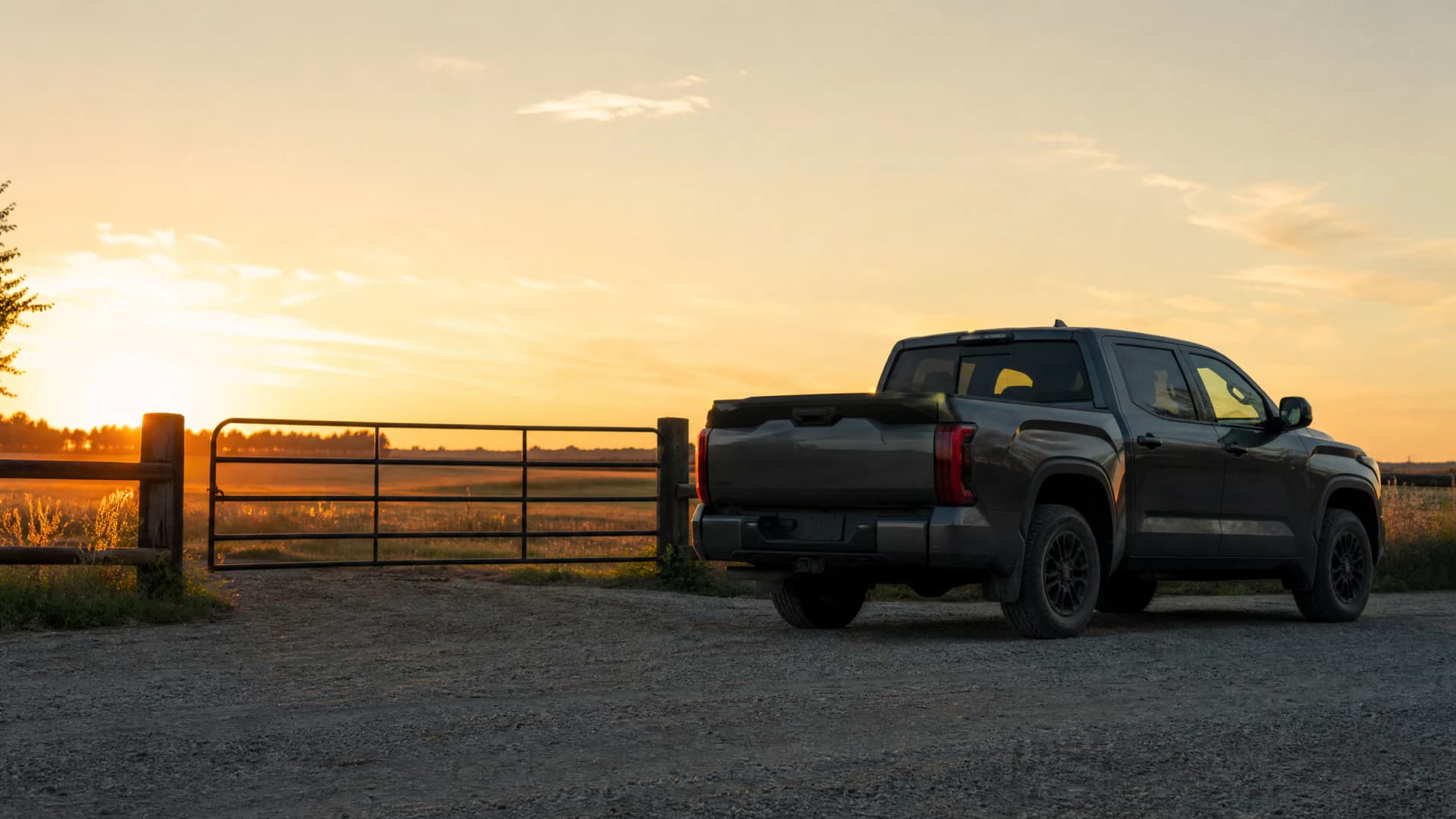
The seller's insurance does not transfer to you. The moment you take possession, that policy no longer covers the vehicle, even if the temporary tag is still valid.
Related Articles




When You Do Not Yet Have Indiana Insurance
If this is your first vehicle in Indiana, or if you are moving from another state and have not yet established an Indiana policy, you must secure coverage before the BMV appointment. Shop carriers licensed in Indiana and request a quote that meets state minimums. Provide the VIN, your Indiana address, and your driving history. The carrier issues a policy effective the date you specify, and you receive proof of coverage immediately.
Do not wait until the day of your BMV appointment. Carriers need time to verify your driving record, and some require payment before issuing proof of coverage. Start the insurance process within 24 hours of purchasing the vehicle. If you are moving to Indiana and already insure vehicles in another state, contact your current carrier first. Many national carriers can convert your existing policy to Indiana coverage without requiring you to start over with a new company.
Indiana does not require personal injury protection or uninsured motorist coverage, but many carriers include uninsured motorist as a default add-on unless you decline it in writing. Review the quote carefully. If you are insuring multiple vehicles, confirm that all of them sit on the same policy to qualify for the multi-car discount most carriers offer. A household with two or more cars on separate policies pays more than the same household with every vehicle on one shared policy.
60 days
Indiana Registration Deadline
New residents and vehicle purchasers must register with the BMV within 60 days of establishing residency or taking possession. The insurance requirement is immediate, but the registration clock starts at purchase. Missing the deadline can result in late fees and complications when you eventually register.
Indiana Bureau of Motor Vehicles

Temporary Tags and the Coverage Gap
Many out-of-state dealers issue a temporary tag valid for 30 or 45 days. The tag allows you to drive the vehicle legally in the state where you purchased it, and Indiana recognizes valid out-of-state temporary tags. The tag does not, however, extend the seller's insurance coverage to you. You must carry your own Indiana-compliant insurance from the moment you take possession, even if the temporary tag has weeks remaining. A traffic stop or an accident during that window leaves you personally liable if you are uninsured.
Private sellers do not issue temporary tags. If you buy from a private party in another state, you must either arrange to have the vehicle transported to Indiana or secure insurance and a trip permit before driving it home. Indiana does not issue trip permits for vehicles purchased out of state; you must work with the state where the vehicle is titled. The safer path is to add the vehicle to your Indiana policy immediately and drive it home under that coverage.
Compare Carriers Before You Commit
Indiana is home to more than 50 carriers writing auto insurance, including national brands and regional specialists. If you are adding an out-of-state purchase to an existing multi-vehicle policy, your current carrier is usually the fastest option. If you are starting fresh, compare at least three carriers to confirm you are not overpaying. Rates vary widely based on the vehicle's age, value, and how many cars you insure on the same policy. A household insuring two or more vehicles on one policy qualifies for the multi-car discount most carriers offer, which typically reduces the per-vehicle premium compared to insuring each car separately.
Request quotes that meet Indiana's minimum liability limits, then decide whether to add collision and comprehensive coverage. Collision pays to repair your vehicle after an accident regardless of fault; comprehensive covers theft, weather damage, and vandalism. If the newly-purchased vehicle is financed, the lender requires both. If you own it outright, the decision depends on the vehicle's value and your ability to replace it out of pocket. Older vehicles with low market value often cost more to insure for collision and comprehensive than the coverage is worth.
Adding the Vehicle to Your Existing Policy
Contact your carrier as soon as you have the VIN. Provide the year, make, model, VIN, and purchase date. The carrier adds the vehicle to your policy and emails proof of coverage within minutes. This proof satisfies the BMV's insurance requirement at registration. If you are buying from a private seller, complete this step before you hand over payment. If you are buying from a dealer, complete it before you leave the lot. The gap between purchase and coverage is the window where you are exposed.
Adding the vehicle mid-term re-rates your entire policy. The carrier recalculates your premium based on the new vehicle's value, age, and how you plan to use it. If the newly-added car is more expensive or newer than your current vehicles, your premium increases immediately. If it is older or less valuable, the increase is smaller. The carrier prorates the additional premium for the remainder of your current term, then folds the vehicle into your renewal calculation. You do not start a new policy; the vehicle joins the existing one.
Get Your Free Quote
Get My Indiana Car Insurance QuoteFrequently Asked Questions
Can I drive an out-of-state car in Indiana without registering it?
Indiana recognizes valid out-of-state registration and plates for vehicles owned by non-residents. If you are an Indiana resident or you purchased the vehicle for use in Indiana, you must register it with the BMV within 60 days and carry Indiana-compliant insurance immediately. Temporary tags issued by out-of-state dealers are recognized, but you must still carry your own insurance from the moment of purchase.
Does my current auto policy automatically cover a newly-purchased vehicle?
Most carriers extend coverage to a newly-acquired vehicle for a limited grace period, typically 14 to 30 days, but only if you already insure at least one vehicle with that carrier. You must notify the carrier and formally add the vehicle to your policy within that window. If you miss the deadline, coverage may lapse retroactively, leaving you uninsured from the purchase date forward.
What happens if I register the car before getting Indiana insurance?
The Indiana BMV will not complete registration without proof of insurance that meets state minimum liability requirements. You cannot obtain plates or a registration certificate until you present an insurance card, declaration page, or electronic verification showing coverage effective on or before the registration date.
Can I use my out-of-state insurance to register a car in Indiana?
Only if the out-of-state policy is issued by a carrier licensed in Indiana and the liability limits meet or exceed Indiana's minimums of $25,000 per person, $50,000 per accident, and $25,000 property damage. Most national carriers write in multiple states and can convert your policy to Indiana coverage. Contact your carrier to confirm.
How long does it take to get proof of insurance after adding a vehicle?
Most carriers issue proof of coverage immediately after you add a vehicle to your policy. You receive an updated insurance card by email or text within minutes. If you are starting a new policy, the carrier may need 24 to 48 hours to verify your driving record and process payment before issuing proof of coverage.