
Amica Multi-Car Coverage — Indiana
Free to compare
Amica Writes Preferred-Tier Auto Insurance in Indiana
Amica Mutual Insurance Company writes auto insurance in Indiana as a preferred-tier carrier with online quoting available. The company holds NAIC code 19976 and maintains an AM Best A+ (Superior) rating. Indiana appears on Amica's underwriting state list, confirmed through state Department of Insurance filings and the carrier's own disclosure of certificates of authority.
Preferred-tier placement means Amica underwrites for drivers with clean or near-clean records, stable insurance history, and favorable credit profiles where credit-based insurance scoring is permitted. A household insuring multiple vehicles through Amica must meet these underwriting standards for every driver and every vehicle on the policy. If one driver or one vehicle falls outside preferred-tier criteria, the entire household may be declined or quoted at a rate that makes the multi-car discount irrelevant.
“Preferred-tier underwriting means a household may be declined for a combined policy even when each vehicle would qualify individually on a separate policy.”

Meet Indiana's Requirements Without Overpaying
Get My Indiana Car Insurance Quote$25,000 / $50,000 / $25,000
Indiana Minimum Liability Limits
Indiana requires $25,000 bodily injury per person, $50,000 bodily injury per accident, and $25,000 property damage. Every vehicle on a multi-car policy must carry at least these minimums, though preferred-tier carriers typically require higher limits as a condition of underwriting.
Indiana Code 9-25-4-5
Multi-Car Discount Requires Every Vehicle on One Policy
The multi-car discount applies when a household insures two or more vehicles on a single auto insurance policy. Amica, like most carriers, structures the discount to reward consolidation: every vehicle must sit on the same policy, typically garaged at the same address, and insured under the same named insured or household members listed on the policy.
A common structural mistake: one spouse carries a policy for two cars, the other spouse maintains a separate policy for a third car titled in their name alone. The household owns three vehicles but receives no multi-car discount because the vehicles are split across two policies. Combining all three vehicles onto one policy is the only path to the discount, and that combination requires Amica to underwrite every driver and every vehicle together.
Preferred-tier underwriting tightens this requirement. If one of the three vehicles is a high-performance car, a commercial-use vehicle, or titled to a driver with recent violations, Amica may decline to write the combined policy even though each separate policy was acceptable on its own. The multi-car discount exists, but access to it depends on the entire household clearing preferred-tier criteria as a unit.
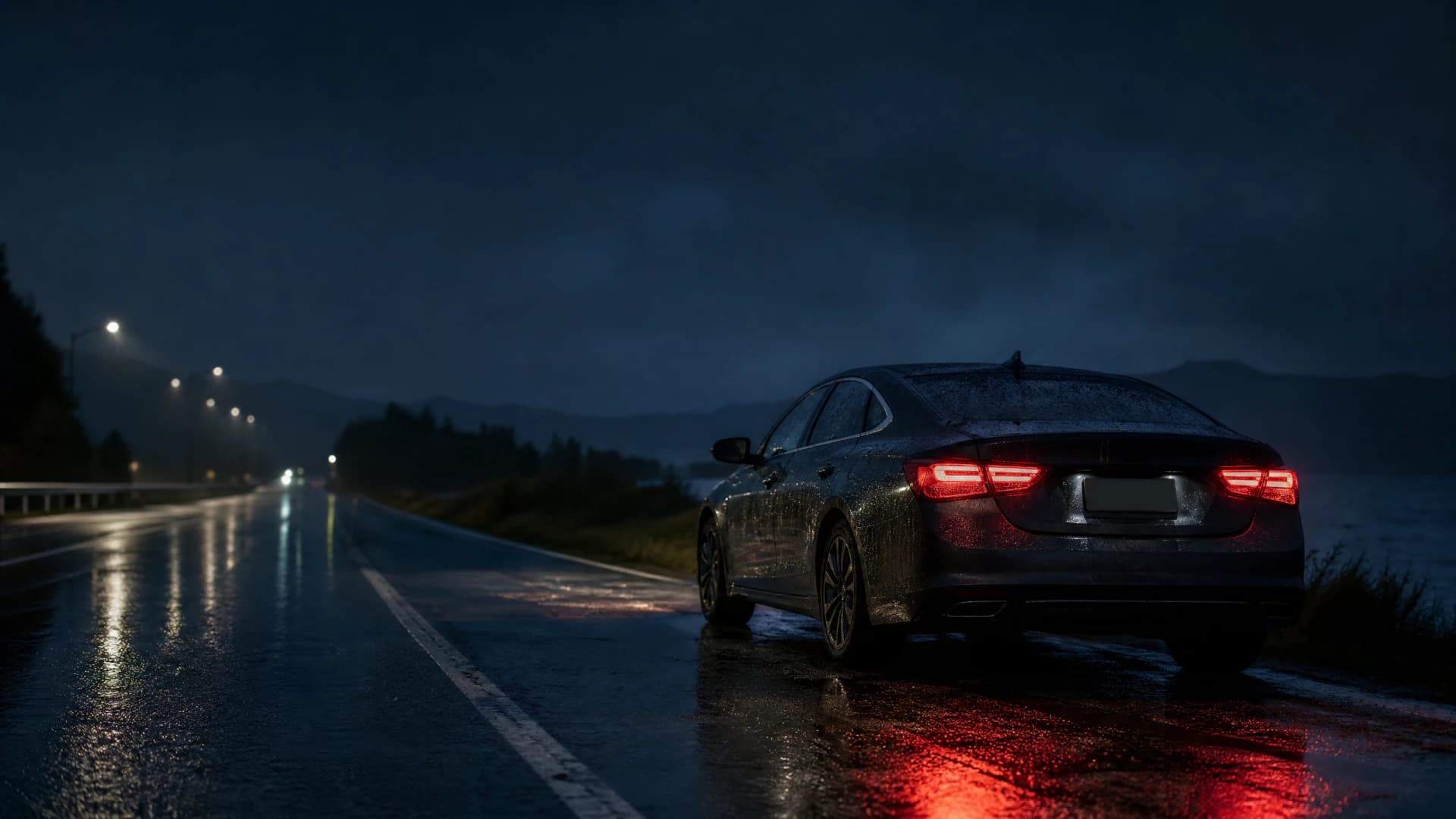
Amica's preferred-tier underwriting means a household with multiple vehicles may be declined for a combined policy even when each vehicle would qualify individually on a separate policy.




When Amica Declines a Multi-Car Policy
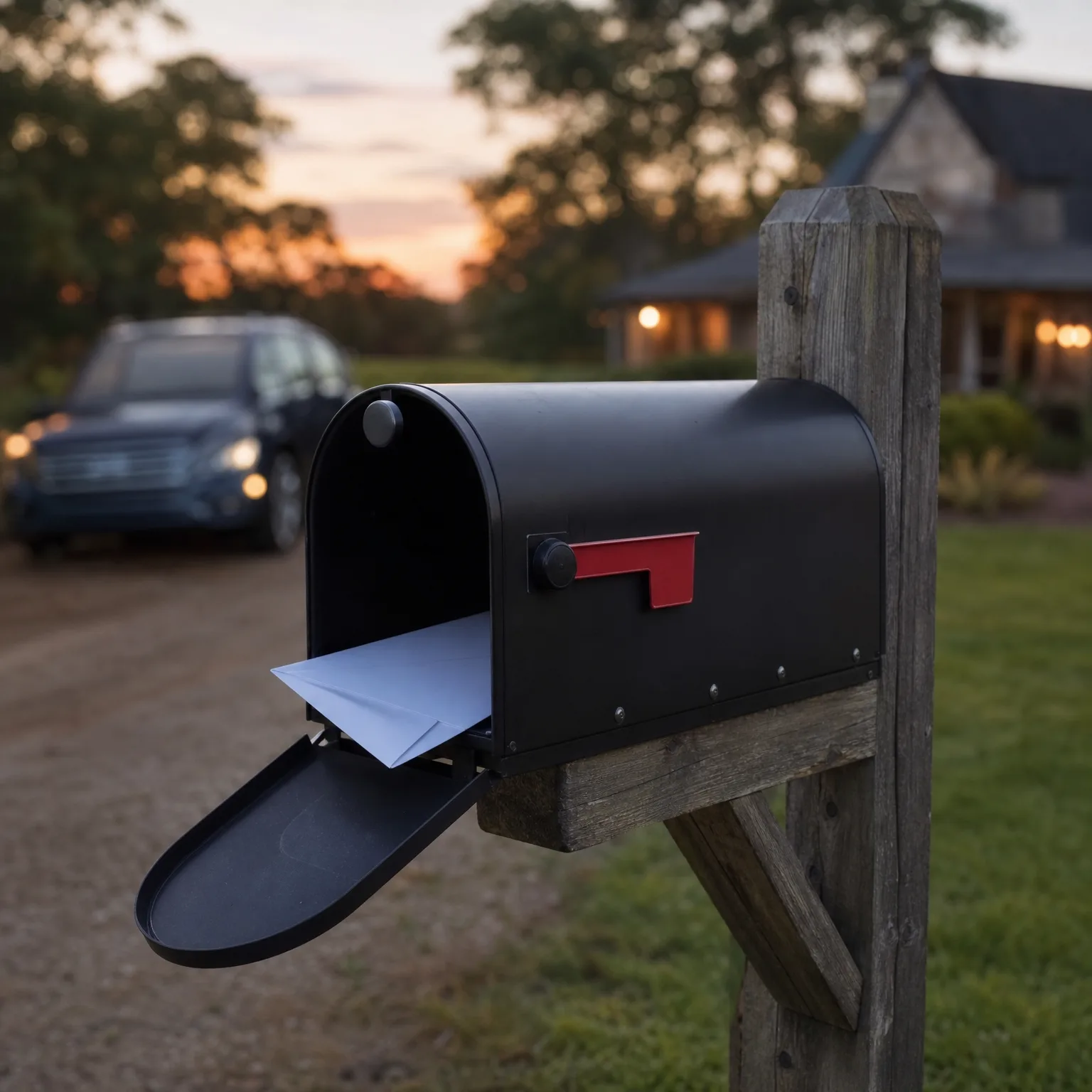
Amica's online quoting system allows you to enter multiple vehicles and drivers, but a completed quote does not guarantee binding coverage. The carrier reviews the application in detail before issuing a policy. If underwriting identifies a driver or vehicle that falls outside preferred-tier criteria, Amica may counter-offer a policy that excludes that driver or vehicle, or decline the application outright.
A household declined by Amica for a combined multi-car policy has three structural options. First, remove the disqualifying driver or vehicle from the application and insure the remaining vehicles with Amica, accepting that the excluded vehicle will need coverage elsewhere and the household will not receive a full multi-car discount. Second, move the entire household to a standard-tier or non-standard-tier carrier that writes broader risk profiles and offers its own multi-car discount. Third, maintain separate policies with different carriers, sacrificing the multi-car discount but gaining access to coverage for every vehicle.
Indiana's carrier roster includes 27 companies writing auto insurance in the state. Of those, carriers such as Progressive, Geico, and Farmers write standard-tier policies and may accept a household Amica declined. Non-standard carriers such as Bristol West, Dairyland, and The General write higher-risk drivers and vehicles and also offer multi-car discounts, though at higher base rates than preferred-tier carriers. The multi-car discount percentage may be similar across tiers, but the premium you apply it to is not.
27 carriers
Auto Insurers Writing in Indiana
Indiana's carrier roster includes preferred-tier, standard-tier, and non-standard carriers. A household declined by a preferred-tier carrier for a multi-car policy can compare standard and non-standard options that write broader risk profiles and still offer multi-vehicle discounts.
Indiana Department of Insurance licensure records

Combining Policies After Marriage or a Household Move
A newly married couple or a household formed by cohabitation often arrives with two separate auto insurance policies, each covering one or more vehicles. Combining those policies onto a single multi-car policy with Amica requires the carrier to re-underwrite the entire household. If both individuals held preferred-tier policies before combining, the combined household may still qualify. If one person carried a standard-tier policy due to a prior violation or a lapse, Amica may decline to write the combined household at preferred-tier rates.
The timing of the combination matters. Most carriers, including Amica, allow a mid-term policy change to add a vehicle or a driver, but that change triggers re-underwriting. If the addition disqualifies the household from preferred-tier placement, Amica may non-renew the policy at the next renewal date rather than cancel it mid-term. The household then has until renewal to find replacement coverage, but the multi-car discount is lost and the search begins under time pressure.
Compare Carriers That Write Your Household's Profile
Amica's preferred-tier underwriting serves households with clean records and standard vehicles well, but it is not the only path to a multi-car discount in Indiana. If Amica declines your household or quotes a rate that makes the discount irrelevant, the next step is to compare carriers that write your household's actual risk profile. Standard-tier carriers write households with one or two violations; non-standard carriers write households with recent DUIs, lapses, or high-risk vehicles. Both tiers offer multi-car discounts, and both operate in Indiana.
Indiana requires every driver to carry at least $25,000 bodily injury per person, $50,000 bodily injury per accident, and $25,000 property damage liability. A multi-car policy must meet these minimums for every vehicle. Preferred-tier carriers typically require higher limits, but standard and non-standard carriers will write policies at state minimums if that is what the household can afford. The multi-car discount applies to the premium you are quoted, not to a hypothetical lower rate you do not qualify for. Start by identifying which tier your household fits, then compare carriers within that tier that write multi-vehicle policies in Indiana.
What Amica Evaluates for Multi-Vehicle Households
Driver underwriting: Amica reviews the driving record, insurance history, and credit profile of every licensed household member, whether or not they will be listed as a driver on the policy. A household member with a recent DUI, a lapse in prior coverage, or multiple at-fault accidents can disqualify the entire household from preferred-tier placement. Preferred-tier carriers do not segment risk within a household; they underwrite the household's aggregate risk profile.
Vehicle underwriting: Amica evaluates the make, model, year, and use of every vehicle you want to insure. High-performance vehicles, vehicles used for commercial purposes, and vehicles with salvage or rebuilt titles may fall outside preferred-tier guidelines. A household that owns two sedans and one modified sports car may find that Amica will write a policy for the two sedans but decline to add the third vehicle, leaving the household with no multi-car discount unless the sports car is insured separately elsewhere or removed from the request.
Get Your Free Quote
Get My Indiana Car Insurance QuoteFrequently Asked Questions
Does Amica offer a multi-car discount in Indiana?
Amica offers a multi-car discount when you insure two or more vehicles on a single policy in Indiana. The discount requires every vehicle to sit on the same policy, typically garaged at the same address, and the household must meet Amica's preferred-tier underwriting criteria for every driver and vehicle.
What happens if Amica declines to insure one of my vehicles?
If Amica declines to add a vehicle to your multi-car policy due to underwriting guidelines, you can insure the remaining vehicles with Amica and place the declined vehicle with a standard or non-standard carrier, or move the entire household to a carrier that writes broader risk profiles. The multi-car discount applies only to vehicles on the same policy.
Can I combine two separate Amica policies into one multi-car policy?
You can request to combine two separate Amica policies into one multi-car policy, but the carrier will re-underwrite the entire household. If both policies were preferred-tier and the household still meets underwriting criteria, the combination typically proceeds. If one policy was standard-tier or a driver has a recent violation, Amica may decline the combined policy.
What tier is Amica in Indiana?
Amica is a preferred-tier carrier in Indiana, underwriting drivers with clean or near-clean records, stable insurance history, and favorable credit profiles. Households with recent violations, lapses, or high-risk vehicles may not qualify for Amica coverage and should compare standard-tier or non-standard carriers instead.
How many carriers write multi-car policies in Indiana?
Indiana has 27 auto insurance carriers licensed to write in the state, spanning preferred, standard, and non-standard tiers. Carriers such as Progressive, Geico, Farmers, Bristol West, Dairyland, and The General all write multi-car policies and offer multi-vehicle discounts, though underwriting criteria and base rates vary by tier.