
Hartford Multi-Car Insurance — Indiana
Free to compare
Does Hartford Write Multi-Car Policies in Indiana
Hartford writes auto insurance in Indiana and offers multi-car policies for households insuring two or more vehicles. The carrier appears on Indiana's licensed-carrier roster and accepts applications from drivers managing multiple cars on a single policy. Hartford's multi-car discount applies when every vehicle sits on the same policy, garaged at the same address, and titled to household members listed on that policy.
This article walks through Hartford's same-policy requirement, how adding or removing a vehicle mid-term re-rates your entire household rather than simply adding a flat amount, and which other carriers writing Indiana offer multi-car coverage for comparison. If you're structuring coverage across several cars or combining two existing policies after a household change, the details below clarify what Hartford requires and what happens when your vehicle count changes.
“Adding a vehicle mid-term re-rates your entire policy, not just the new car.”

Meet Indiana's Requirements Without Overpaying
Get My Indiana Car Insurance Quote28 carriers
Indiana Multi-Car Roster
Twenty-eight carriers write multi-vehicle policies in Indiana, including Hartford, State Farm, Progressive, Geico, and Allstate. The roster gives households managing multiple cars a range of same-policy structures and discount frameworks to compare.
Indiana auto insurance carriers by state data
Hartford's Same-Policy Requirement for the Multi-Car Discount
Hartford's multi-car discount requires every vehicle to sit on the same policy. A car titled to a household member who carries a separate policy does not count toward the discount, even if that person lives at the same address. The discount applies to the policy as a whole, not to individual vehicles, so combining two single-car policies into one multi-car policy is the only path to the discount.
Households combining policies after marriage, a move, or adding a newly-licensed driver often assume the discount applies automatically when vehicles share a garaging address. It does not. The vehicles must be listed on the same policy document, with the same policy number, for the discount to attach. If one spouse maintains a separate policy on a separate vehicle, that vehicle does not contribute to the multi-car discount on the other policy.
When you add a third or fourth vehicle to an existing Hartford policy, the discount percentage may increase, but the base premium re-rates to reflect the new vehicle count. The result is not always a lower total premium. A household adding a high-value or high-risk vehicle may see the combined premium rise even with a larger discount percentage applied.
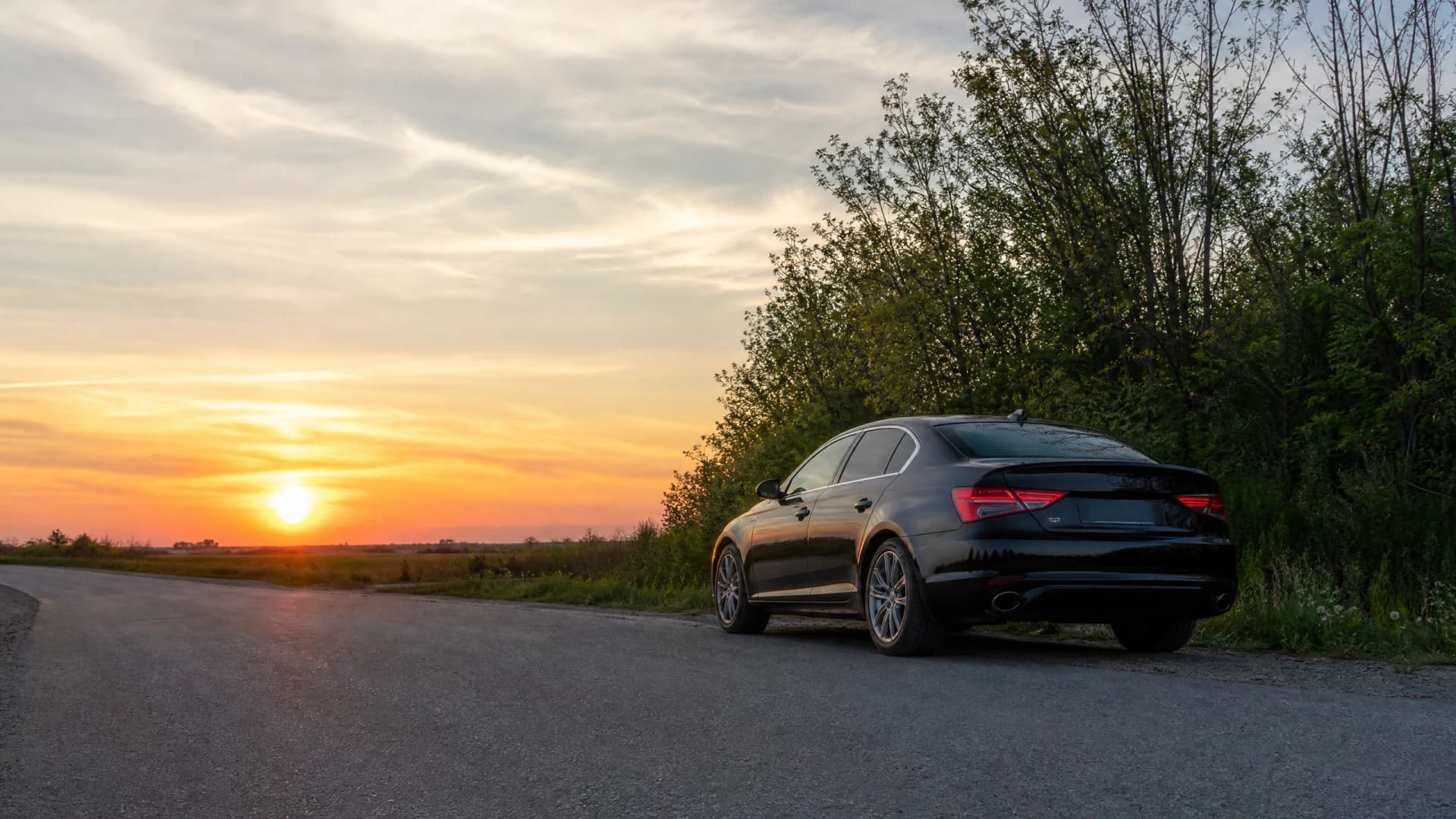
Adding a vehicle mid-term re-rates your entire policy, not just the new car. The multi-car discount grows, but so does the base premium Hartford calculates across all vehicles.







Combining Two Policies After Marriage or a Household Change
Combining two single-car policies into one multi-car policy triggers a full re-rating. Hartford treats the combined policy as a new application, recalculating premiums based on both drivers' records, both vehicles' values and risk profiles, and the new household structure. The combined premium is not the sum of the two old premiums. It may be lower if both drivers have clean records and the vehicles are low-risk, or higher if one driver carries points, a recent claim, or a high-risk vehicle.
Households combining policies mid-term face a timing decision. You can combine at renewal, when one policy expires naturally, or mid-term by canceling one policy and adding its vehicle to the other. Canceling mid-term may trigger a short-rate penalty on the canceled policy, and the remaining policy re-rates immediately to reflect the new vehicle. Waiting until renewal avoids the penalty but delays the multi-car discount. The right choice depends on how much the discount saves compared to the short-rate penalty you would pay.
Hartford requires both vehicles to be garaged at the same address for the multi-car discount to apply. If one spouse garages a car at a work address in a different county, or if a college-age driver takes a car to campus out of state, that vehicle may not qualify for the same-policy discount even if it remains titled to a household member. Verify garaging-address requirements with Hartford before combining policies.
$25,000 / $50,000 / $25,000
Indiana Minimum Liability
Indiana requires $25,000 bodily injury per person, $50,000 per accident, and $25,000 property damage. Every vehicle on a multi-car policy must carry at least these limits, though Hartford and most carriers recommend higher limits when insuring multiple cars to protect household assets.
Indiana auto insurance state data

Hartford Compared to Other Indiana Multi-Car Carriers
State Farm, Geico, Progressive, Allstate, and Nationwide all write multi-car policies in Indiana and compete directly with Hartford. Each carrier structures its multi-car discount differently. Some apply a flat percentage to the combined premium; others tier the discount by vehicle count, offering a larger percentage when you insure three or more cars. Hartford's discount structure is not public, so comparing requires quotes from multiple carriers based on your actual household vehicle count and driver roster.
Carriers writing Indiana's non-standard tier, including Bristol West, Dairyland, and The General, also offer multi-car policies but typically serve households with points, lapses, or recent violations. Hartford writes standard-tier households and does not specialize in high-risk multi-car coverage. If your household includes a driver with a DUI, a suspended license, or multiple at-fault claims, a non-standard carrier may offer better rates than Hartford even after the multi-car discount.
What to Do Right Now
Request quotes from Hartford and at least two other carriers writing Indiana multi-car policies. Provide the same vehicle count, driver roster, and coverage limits to each carrier so the quotes reflect identical coverage. Compare the combined premium after the multi-car discount, not the discount percentage alone. A smaller discount on a lower base rate can beat a larger discount on a higher one. If you are combining two existing policies, ask each carrier whether combining mid-term triggers a short-rate penalty and whether waiting until renewal saves money. The comparison tool on this site lets you enter your household's vehicles and drivers once and compare carriers writing Indiana side by side.
How Adding a Vehicle Re-Rates Your Hartford Policy
When you add a vehicle mid-term, Hartford re-rates the entire policy from the date you add the car. The new premium reflects the combined risk of all vehicles now on the policy, the updated multi-car discount percentage, and any coverage changes you make while adding the car. The carrier does not simply append a flat per-vehicle charge to your existing premium. Instead, it recalculates liability, collision, and comprehensive premiums for every vehicle based on the new household vehicle count.
Households adding a second car often expect the new premium to equal the old premium plus the cost of insuring the second car alone. That is not how Hartford structures it. The multi-car discount applies to the combined premium, so the per-vehicle cost drops, but the total premium rises because you are now insuring two vehicles instead of one. Adding a third vehicle works the same way: the discount percentage may increase, but the base premium Hartford calculates rises to reflect three cars instead of two.
Get Your Free Quote
Get My Indiana Car Insurance QuoteFrequently Asked Questions
Does Hartford offer a multi-car discount in Indiana?
Yes. Hartford writes multi-car policies in Indiana and applies a discount when you insure two or more vehicles on the same policy. The discount requires every vehicle to be listed on one policy, garaged at the same address, and titled to household members on that policy.
Can I add a second car to my Hartford policy mid-term?
Yes. Hartford allows you to add a vehicle mid-term, but doing so re-rates your entire policy from the date you add the car. The new premium reflects the combined risk of all vehicles on the policy and the updated multi-car discount percentage.
What happens if I combine two Hartford policies into one?
Combining two single-car policies into one multi-car policy triggers a full re-rating. Hartford recalculates premiums based on both drivers' records, both vehicles, and the new household structure. The combined premium may be lower or higher than the sum of the two old premiums.
Do both cars need to be garaged at the same address for Hartford's multi-car discount?
Yes. Hartford requires every vehicle on a multi-car policy to be garaged at the same address. A car garaged at a work address in a different county or taken to an out-of-state campus may not qualify for the discount even if titled to a household member.
Which other carriers write multi-car policies in Indiana?
State Farm, Geico, Progressive, Allstate, Nationwide, and 23 other carriers write multi-car policies in Indiana. Each structures its discount differently, so comparing quotes from multiple carriers based on your household's actual vehicle count and driver roster is the only way to find the lowest combined premium.