
Minimum vs Full Coverage — Indiana
Free to compare
The Question Every Multi-Car Household Asks
You own two or three cars. Indiana law requires you to carry $25,000 per person, $50,000 per accident in bodily injury liability, and $25,000 in property damage liability. That minimum costs less per month than adding collision and comprehensive to every vehicle. You need to know what you lose by choosing minimum coverage.
The structural reality: minimum liability coverage protects other people when you cause an accident. It does not protect your own cars. If you hit another driver, your liability coverage pays for their injuries and vehicle damage up to your policy limits. If someone hits your parked car and drives away, or if your car is stolen, or if you slide into a guardrail on black ice, minimum coverage pays nothing toward your vehicle. Every car you own sits unprotected.
“Minimum liability protects other drivers you injure. It leaves every car you own unprotected when you're hit, when your car is stolen, or when you cause the accident.”

Meet Indiana's Requirements Without Overpaying
Get My Indiana Car Insurance Quote$25,000/$50,000/$25,000
Indiana Minimum Liability
Indiana requires $25,000 per person and $50,000 per accident in bodily injury liability, plus $25,000 in property damage liability. These limits protect other drivers you injure, not your own vehicles or medical bills.
Indiana Bureau of Motor Vehicles
What Minimum Coverage Actually Protects
Minimum liability coverage is a legal compliance product. It satisfies Indiana's financial responsibility law so you can register your vehicles and drive legally. When you cause an accident, your bodily injury liability pays medical bills, lost wages, and pain-and-suffering claims for people you injure, up to $25,000 per person and $50,000 total per accident. Your property damage liability pays to repair or replace the other driver's vehicle, up to $25,000.
Those limits apply per accident, not per vehicle on your policy. If you own three cars and cause an accident in one of them, the same $25,000/$50,000/$25,000 limits apply. Owning multiple vehicles does not increase your liability limits unless you specifically purchase higher limits.
Minimum coverage does not include collision coverage, which pays to repair your own car after an accident you cause or a single-vehicle crash. It does not include comprehensive coverage, which pays for theft, vandalism, hail damage, hitting a deer, or fire. It does not include uninsured motorist property damage, which pays to repair your car when an uninsured driver hits you and flees. Indiana does not require any of these coverages. If you carry only the state minimum, every car you own is unprotected against these risks.
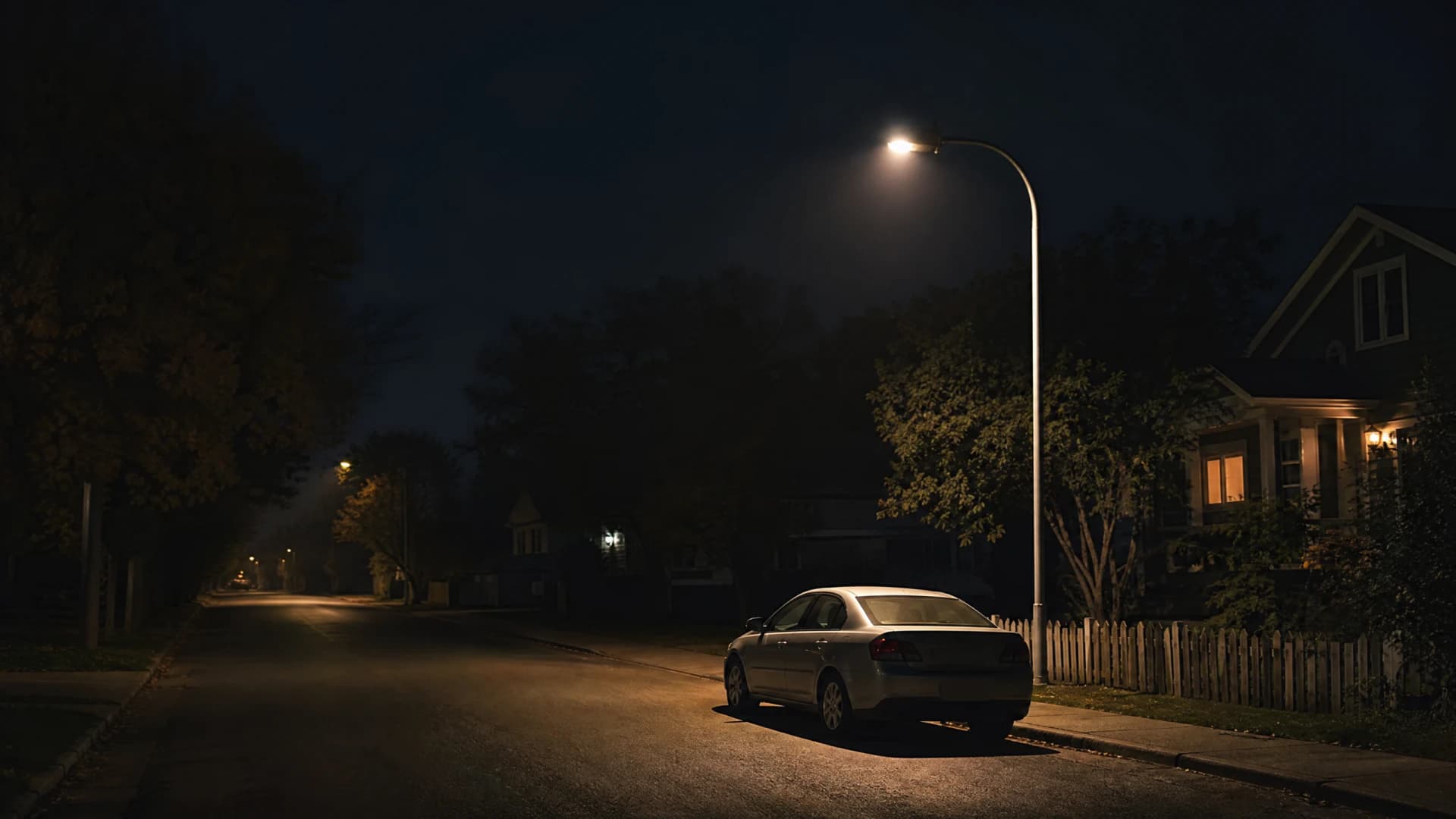
Minimum liability protects other drivers. It leaves every car you own unprotected when you're hit by an uninsured driver, when your car is stolen, or when you cause the accident.



How the Decision Changes Across Multiple Vehicles
A household with one car makes the minimum-versus-full-coverage decision once. A household with three cars makes it three times, and the answers can differ by vehicle. The 2018 sedan you drive daily may justify full coverage because replacing it out-of-pocket would strain your budget. The 2009 truck you use twice a month for hauling may not justify collision and comprehensive because its actual cash value is low enough that you could replace it without insurance.
Carriers structure multi-car policies so you can mix coverage levels across vehicles on the same policy. You can carry liability-only on the older truck and full coverage on the two newer cars. The multi-car discount applies to the entire policy regardless of how you structure coverage on individual vehicles. Dropping collision and comprehensive on one vehicle lowers your premium for that vehicle but does not eliminate the multi-car discount on the policy as a whole.
The failure mode: households often assume they must make the same coverage choice for every car. They carry full coverage on all three vehicles when only two justify it, or they drop collision and comprehensive on all three to save money and leave every car unprotected. The correct path is vehicle-by-vehicle. Ask whether you could replace this specific car out-of-pocket if it were totaled tomorrow. If yes, consider liability-only. If no, carry collision and comprehensive.
14%
Indiana Uninsured Motorist Rate
Fourteen percent of Indiana drivers carry no insurance. When an uninsured driver hits your parked car and flees, minimum liability coverage pays nothing toward your vehicle. Uninsured motorist property damage or collision coverage is required to recover the loss.
Insurance Information Institute, 2023
Uninsured Motorist Coverage and Multi-Car Households
Indiana does not require uninsured motorist coverage, but carriers offer it. Uninsured motorist bodily injury pays your medical bills when an uninsured driver injures you. Uninsured motorist property damage pays to repair your vehicle when an uninsured driver hits you and their liability coverage does not exist. With 14% of Indiana drivers uninsured, this coverage addresses a common scenario: someone hits your parked car in a grocery store lot and drives away, or a driver runs a red light and injures you but carries no insurance.
Uninsured motorist property damage is not the same as collision coverage. Collision pays regardless of who caused the accident. Uninsured motorist property damage pays only when the other driver is at fault and uninsured. If you carry collision, you typically do not need uninsured motorist property damage because collision already covers the loss. If you carry only minimum liability, uninsured motorist property damage is the only coverage that protects your vehicle when an uninsured driver hits you.
Compare Carriers That Write Multi-Car Policies in Indiana
The premium difference between minimum and full coverage varies by carrier, vehicle value, your driving record, and where you garage the cars. A 2015 sedan in Fort Wayne may see a smaller collision-premium increase than the same sedan in Indianapolis because theft and accident rates differ by ZIP code. Carriers price collision and comprehensive based on the vehicle's actual cash value, so older vehicles cost less to insure fully than newer ones.
Indiana licenses dozens of carriers that write multi-car policies. State Farm, Geico, Progressive, Allstate, and Nationwide all write households with two or more vehicles and offer the multi-car discount. Non-standard carriers including Acceptance, Bristol West, Dairyland, and The General write multi-car policies for drivers with violations or lapses. Compare quotes with the same coverage structure across carriers — liability-only on all vehicles, or full coverage on all vehicles, or your specific mix — so you see the true premium difference per coverage choice. The comparison tool on this site connects you to carriers licensed in Indiana that write multi-car policies.
What Full Coverage Adds to a Multi-Car Policy
Collision coverage pays to repair or replace your vehicle after an accident, regardless of who caused it. If you rear-end another car, collision pays for your vehicle after you pay your deductible. If another driver hits you and their insurance denies the claim or their liability limits are too low to cover your vehicle's damage, your collision coverage pays the difference. Collision applies per vehicle — if you add it to two cars, both are covered; if you add it only to your newer car, only that car is covered.
Comprehensive coverage pays for damage that is not a collision: theft, vandalism, hail, flood, fire, hitting a deer, or a tree branch falling on your parked car. Comprehensive also applies per vehicle. If you own three cars and add comprehensive to all three, all three are protected. If you add it only to the car you park outside, only that car is covered. Comprehensive and collision each carry a deductible you choose when you structure the policy — typically $500 or $1,000. You pay the deductible per claim; the insurer pays the rest up to the vehicle's actual cash value.
Get Your Free Quote
Get My Indiana Car Insurance QuoteFrequently Asked Questions
Does Indiana require full coverage on financed vehicles?
Indiana does not require full coverage, but your lender does. The financing contract requires collision and comprehensive until the loan is paid off. If you drop those coverages, the lender will force-place insurance at a higher cost and add it to your loan balance.
Can I carry full coverage on one car and minimum coverage on another on the same policy?
Yes. Multi-car policies let you structure coverage differently for each vehicle. You can carry collision and comprehensive on your newer car and liability-only on your older truck. The multi-car discount applies to the entire policy regardless of coverage mix.
What happens if I cause an accident with minimum coverage and the other driver's bills exceed my limits?
You are personally liable for the difference. The other driver can sue you for the amount your insurance does not cover.
Does the multi-car discount apply to liability-only policies?
Yes. The multi-car discount applies when you insure two or more vehicles on the same policy, regardless of coverage level. Carriers discount the total premium when multiple vehicles are on one policy, whether those vehicles carry full coverage or liability-only.
How do I decide whether to add collision and comprehensive to an older car?
Compare the vehicle's actual cash value to one year of collision and comprehensive premiums. If the annual premium exceeds 10% of the car's value, consider liability-only. If you could not replace the car out-of-pocket tomorrow, carry full coverage regardless of age.
Will my premium drop if I remove collision and comprehensive from all my vehicles?
Yes, but you leave every car unprotected. Removing collision and comprehensive lowers your premium significantly, but it means you pay out-of-pocket to repair or replace any vehicle damaged in an accident, stolen, or hit by an uninsured driver. Evaluate per vehicle rather than across the board.