
Proof of Car Insurance — Indiana
Free to compare
When You Need Proof and What Form Indiana Accepts
You're registering a second vehicle at the BMV counter and the clerk asks for proof of insurance. You pull out your phone to show the digital ID card your carrier emailed, and the clerk shakes their head — the BMV requires paper at the counter. You didn't know that. Most Indiana drivers don't, because the state accepts three different forms of proof depending on the situation, and only one works everywhere.
Indiana law requires proof of financial responsibility any time you register a vehicle, renew a registration, get pulled over, or exchange information after an accident. The state accepts a paper insurance ID card, a digital image of that card on your phone, or an SR-22 certificate when required by the BMV. Digital proof works at traffic stops and accident scenes. Paper works everywhere, including BMV counters. Households insuring multiple vehicles need both forms accessible for every car on the policy.
“The BMV requires paper at the counter, but officers accept digital proof at traffic stops — households insuring multiple vehicles need both forms for every car.”
Meet Indiana's Requirements Without Overpaying
Get My Indiana Car Insurance Quote$25,000 / $50,000 / $25,000
Indiana Minimum Liability Limits
Indiana requires at least $25,000 bodily injury per person, $50,000 per accident, and $25,000 property damage. Every vehicle you register must meet these minimums, and proof must show coverage at or above these amounts.
Indiana Code 9-25-4-5
What the BMV Actually Requires at Registration
The Indiana Bureau of Motor Vehicles requires proof of insurance when you register any vehicle or renew an existing registration. The BMV system verifies coverage electronically for most renewals, but paper proof is mandatory at the counter when you register a newly purchased vehicle, transfer a title, or add a vehicle to an existing policy mid-term.
Digital proof does not work at BMV counters. The clerk cannot accept a photo of your insurance card on your phone, even if it shows current coverage and meets state minimums. You need the physical card your carrier mailed, or you need to print the digital card before you arrive. This catches multi-car households off guard when they buy a second or third vehicle and assume the digital card in their email will suffice.
The paper card must show the vehicle identification number, the policy number, the coverage effective dates, and liability limits at or above Indiana's $25,000/$50,000/$25,000 minimums. If you're registering multiple vehicles on the same day, bring a separate card for each vehicle or a declarations page listing all vehicles covered under the policy.

The BMV will not accept digital proof at the registration counter. Bring paper cards or a printed declarations page for every vehicle you're registering.


How Multi-Car Policies Complicate Proof Requirements
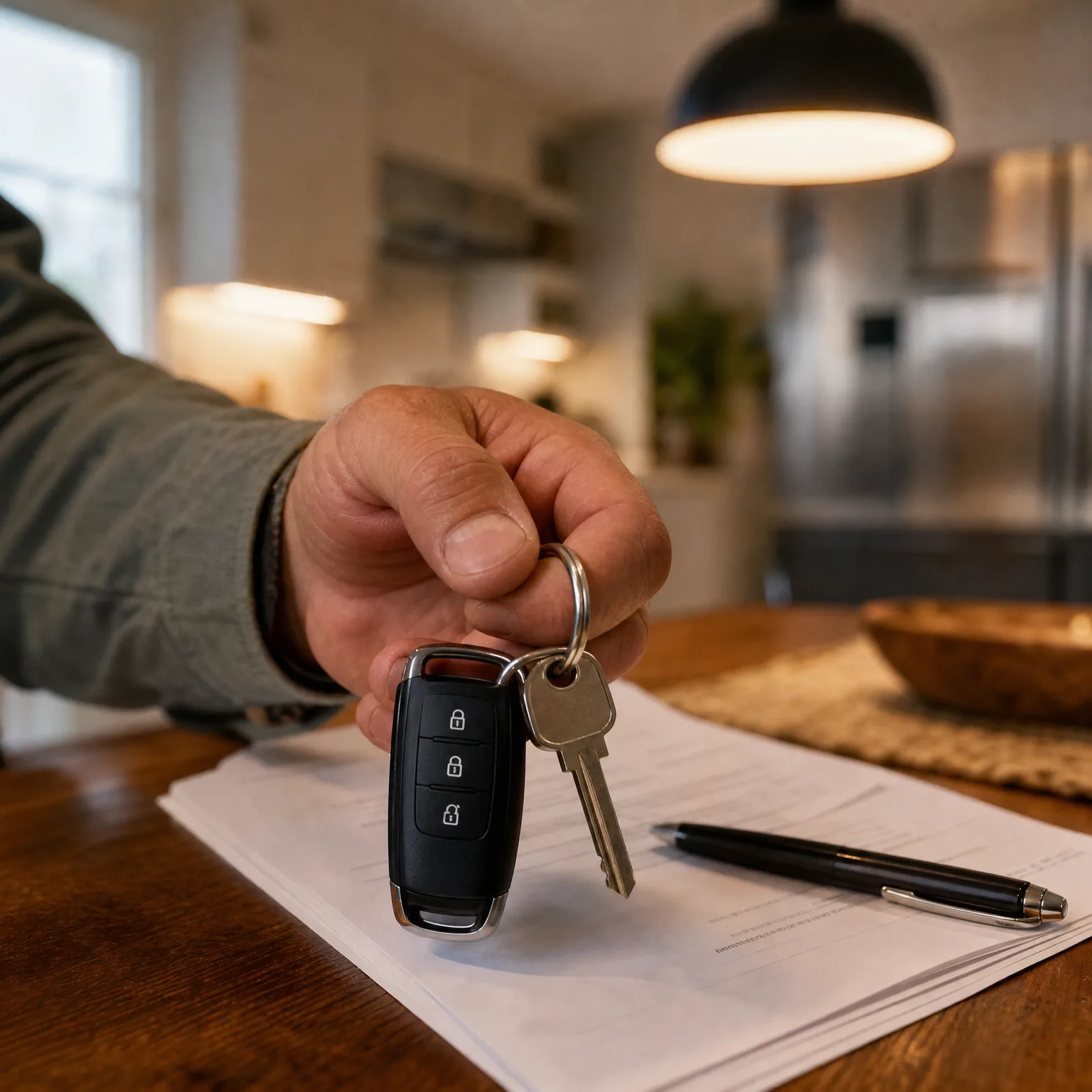
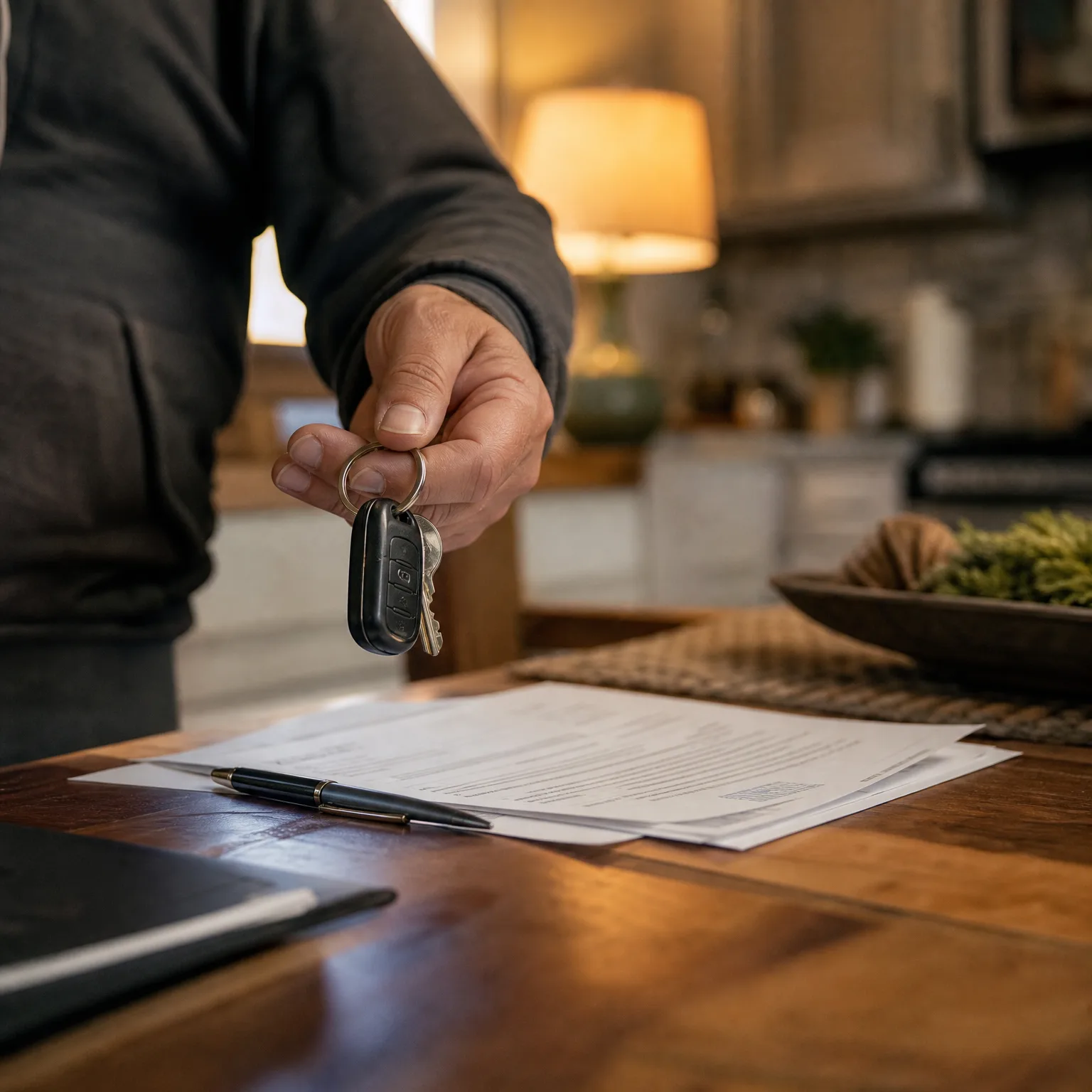
A multi-car policy covers multiple vehicles under one policy number, but each vehicle gets its own insurance ID card with its own VIN. When your carrier issues the policy, they mail or email a separate card for each vehicle. If you insure three cars, you receive three cards. You need to keep all three accessible — paper copies in each vehicle's glove box, and digital copies saved to your phone or cloud storage.
The failure mode most households hit: they keep the paper card for their primary vehicle in that car's glove box, but they don't carry cards for the other vehicles. Then they drive the second car, get pulled over, and cannot produce proof for the vehicle they're operating. The officer can verify coverage by running the plate, but you'll waste time and risk a citation if the system is slow or the policy hasn't updated in the state database yet.
Some carriers issue a single declarations page listing all vehicles on the policy instead of individual cards. That page works as proof at the BMV counter when you're registering multiple vehicles at once, but it's impractical to carry in every car. Print individual cards for each vehicle and keep them in the corresponding glove box. Save digital copies of all cards to your phone so you have proof for any vehicle you might drive.
14%
Indiana Uninsured Motorist Rate
Fourteen percent of Indiana drivers operate without insurance. Carrying proof protects you from wrongful citations and speeds up claims when you're hit by someone who should have been insured but isn't.
Insurance Research Council, 2023

What Happens If You Cannot Show Proof
If you're pulled over and cannot produce proof of insurance — paper or digital — the officer will issue a citation. Indiana Code 9-25-7-8 makes operating a vehicle without proof a Class C infraction. You can resolve the citation by showing proof to the court that you were insured at the time of the stop, but you'll still pay a court fee and spend time clearing the record.
At the BMV, the consequence is simpler: the clerk will not complete your registration until you return with acceptable proof. You cannot leave with plates or a registration card. If you're registering a newly purchased vehicle, the temporary tag the dealer issued will expire, and you cannot legally drive the car until you bring paper proof back to the BMV and finish the transaction.
Proof Requirements After Adding a Vehicle Mid-Term
When you add a vehicle to an existing multi-car policy mid-term, your carrier updates the policy and issues a new insurance card for the added vehicle. That card shows the coverage effective date — usually the date you notified the carrier or the date you took possession of the vehicle, whichever the carrier uses. You need that card to register the new vehicle at the BMV.
Most carriers email the new card within 24 hours of adding the vehicle, but the paper card arrives by mail in 5 to 10 business days. If you need to register the vehicle before the paper card arrives, print the emailed card and bring it to the BMV counter. The clerk will accept a printed digital card as long as it shows all required information and matches the policy the BMV verifies in their system. Do not wait for the mail if your temporary tag is about to expire — print the card and go.
Digital Proof Works at Traffic Stops and Accident Scenes
When an officer pulls you over or you exchange information after an accident, you can show proof of insurance on your phone. The digital card must display the same information the paper card carries: policy number, coverage dates, liability limits, vehicle identification number, and the name of the insured. A screenshot of the card works. A photo of the paper card works. An email from your carrier with the card attached works as long as you can display it clearly.
Multi-car households should save a digital copy of the insurance card for every vehicle on the policy. If you're driving your spouse's car or a household member's vehicle and you get pulled over, the officer will ask for proof that the car you're driving is insured. The policy must list that specific vehicle. Showing proof for a different car on the same policy does not satisfy the requirement — the VIN must match the vehicle you're operating.
Get Your Free Quote
Get My Indiana Car Insurance QuoteFrequently Asked Questions
Can I show proof of insurance on my phone during a traffic stop in Indiana?
Yes. Indiana Code 9-25-7-2 allows electronic proof of insurance at traffic stops and accident scenes. The digital card must show your policy number, coverage dates, liability limits, and the VIN of the vehicle you're driving.
Does the BMV accept digital proof of insurance when I register a vehicle?
No. The Indiana BMV requires paper proof at registration counters. You must bring the physical insurance card your carrier mailed or a printed copy of the digital card. A photo on your phone will not be accepted.
What proof do I need to register multiple vehicles on the same policy?
Bring a separate insurance card for each vehicle, or bring a declarations page listing all vehicles covered under the policy. Each card or the declarations page must show the VIN, policy number, coverage dates, and liability limits for every vehicle you're registering.
What happens if I get pulled over and can't show proof of insurance?
The officer will issue a Class C infraction citation under Indiana Code 9-25-7-8. You can resolve it by showing proof to the court that you were insured at the time of the stop, but you'll still pay a court fee.
How do I get proof of insurance for a car I just added to my policy?
Your carrier will email a digital insurance card for the newly added vehicle within 24 hours and mail a paper card within 5 to 10 business days. Print the emailed card if you need to register the vehicle before the paper card arrives.
Do I need a separate insurance card for each vehicle on a multi-car policy?
Yes. Each vehicle on a multi-car policy gets its own insurance card with its own VIN. Keep a paper card in each vehicle's glove box and save digital copies of all cards to your phone so you have proof for any vehicle you drive.