
Car Registration Documents — Indiana
Free to compare
What Stops Registration at the BMV Counter
You bought a second car for your household, added it to your existing policy mid-term, and drove to the BMV to register it. The clerk asks for your insurance certificate. You hand over your policy declarations page showing both vehicles. The clerk says the system shows no active SR-50 filing for the new vehicle and sends you home. The vehicle cannot be registered until the Indiana Bureau of Motor Vehicles receives electronic confirmation from your carrier that the car is insured to state minimums.
Indiana ties vehicle registration directly to proof of current insurance through the SR-50 certificate. This is not the SR-22 future-responsibility filing drivers carry after a violation — the SR-50 is a point-in-time compliance proof your carrier files electronically when you add a vehicle. If the carrier has not yet transmitted the SR-50 to the BMV, or if the filing contains a VIN mismatch, the registration clerk cannot proceed. The blocker is not your paperwork; it is the carrier's filing status in the state system.
“The BMV cannot register a vehicle until the SR-50 posts to the state system — your policy declarations page is not enough.”

Meet Indiana's Requirements Without Overpaying
Get My Indiana Car Insurance Quote$25,000 / $50,000 / $25,000
Indiana Minimum Liability Limits
Bodily injury per person, bodily injury per accident, and property damage per accident. Every vehicle registered in Indiana must carry insurance meeting these minimums, and the SR-50 filing proves to the BMV that your policy meets them.
Indiana Code 9-25-4-5
The SR-50 Filing Requirement and Multi-Vehicle Timing
The SR-50 is Indiana's electronic insurance-verification certificate. When you add a vehicle to your policy, your carrier files an SR-50 with the BMV confirming that the vehicle is insured to state minimums. The BMV's registration system checks for an active SR-50 before issuing plates. If the system shows no filing, or if the VIN on the filing does not match the title, registration stops.
Households insuring multiple vehicles on one policy face a timing gap. You call your carrier, add the new car, receive a policy update showing both vehicles, and assume you can register immediately. The carrier, however, may not transmit the SR-50 to the BMV until the next business day, or until underwriting completes the vehicle inspection requirement. If you arrive at the BMV before the SR-50 posts to the state system, the clerk cannot see proof of insurance, and the registration is denied.
The fix: call your carrier before driving to the BMV and confirm the SR-50 has been filed and is visible in the state system. Some carriers file electronically within hours; others batch filings overnight. Asking the carrier to confirm filing status before you leave saves a wasted trip. If the carrier has not yet filed, ask when the SR-50 will post and schedule your BMV visit after that window.

The BMV cannot register a vehicle until the SR-50 posts to the state system. Your policy declarations page is not enough — the carrier must file electronically first.






How Adding a Vehicle Mid-Policy Affects SR-50 Timing
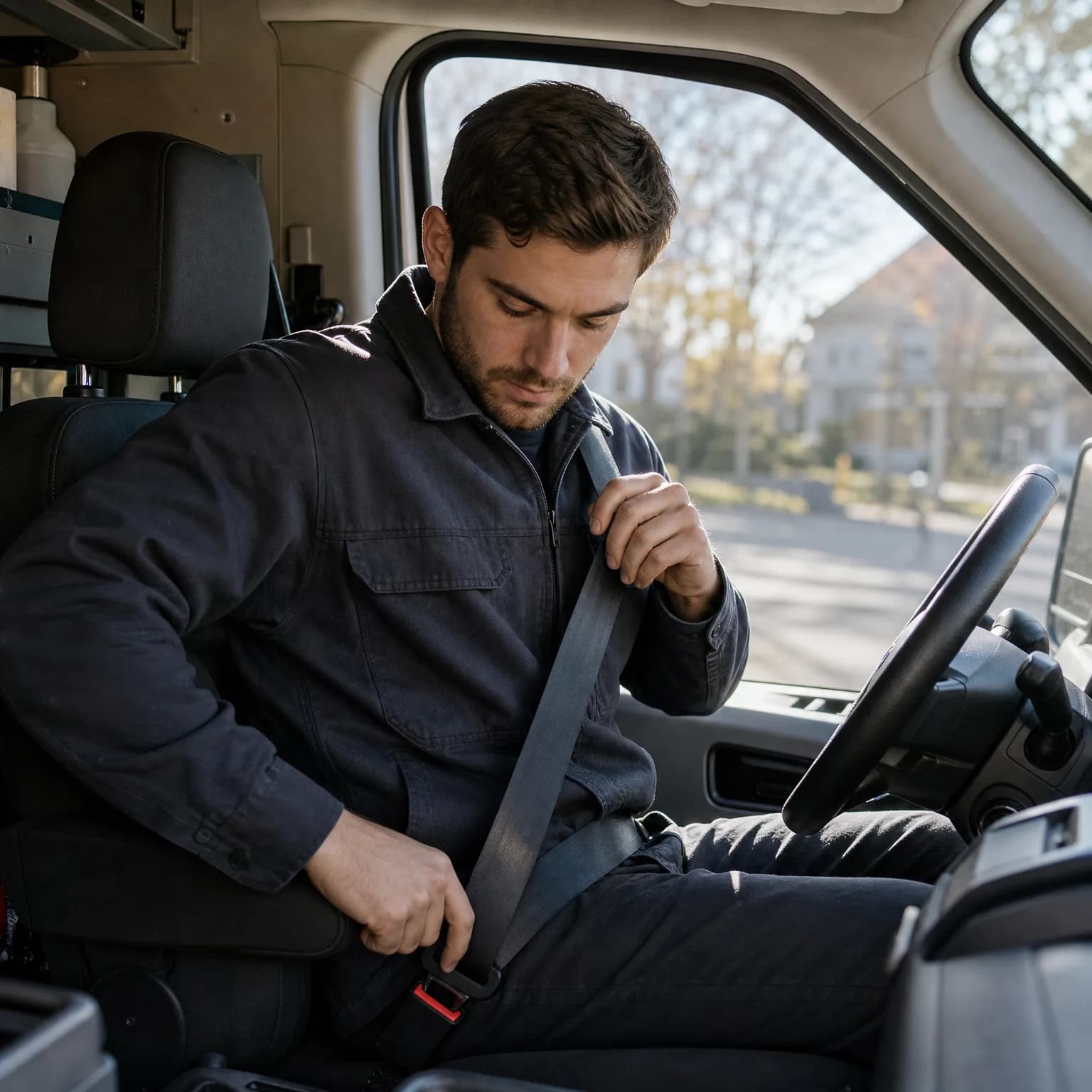
When you add a vehicle to an existing multi-car policy, the carrier re-rates the entire policy and issues an updated declarations page showing all vehicles. The SR-50 filing, however, is a separate transaction. Some carriers file the SR-50 automatically when the vehicle is added; others require the policyholder to request the filing explicitly. If you do not ask, the carrier may not file until the next policy renewal, leaving the vehicle unregistrable for months.
Carriers that write multi-vehicle policies in Indiana include State Farm, Geico, Progressive, Allstate, Nationwide, and Farmers. Each handles SR-50 timing differently. State Farm typically files electronically within 24 hours of adding a vehicle. Progressive batches filings overnight. Smaller carriers may require a manual filing request and process it within two to three business days. Call your carrier after adding the vehicle and ask when the SR-50 will post to the BMV system. Do not assume the filing happens automatically.
If the BMV clerk says no SR-50 is on file, call your carrier from the BMV office and ask them to check the filing status. If the carrier filed but the VIN was entered incorrectly, they can correct and refile within minutes. If the carrier has not yet filed, ask them to expedite it and return to the BMV the next business day. The SR-50 is the single most common registration blocker for households adding vehicles mid-term.
32 counties
Indiana Emissions-Test Requirement
Vehicles model-year 1981 or newer garaged in one of 32 non-attainment counties must pass an emissions test within 90 days of registration. The test certificate must be presented at the BMV counter alongside proof of ownership and insurance.
Indiana Department of Environmental Management

What Happens When the SR-50 VIN Does Not Match the Title
The BMV system matches the VIN on the SR-50 filing to the VIN on the title you present. If the two do not match — because the carrier transposed a digit, or because you provided the wrong VIN when adding the vehicle — the registration is denied. This happens frequently when a household owns multiple vehicles and the policyholder gives the carrier the VIN from the wrong car.
The fix is immediate: call the carrier from the BMV office, provide the correct VIN from the title, and ask them to correct and refile the SR-50. Most carriers can correct and retransmit within minutes. The BMV system updates within an hour in most cases. If the correction cannot post the same day, schedule a return visit for the next business day and confirm with the carrier that the corrected SR-50 is visible in the state system before you drive back.
Compare Carriers That Write Multi-Vehicle Policies in Indiana
Indiana households insuring two or more vehicles need a carrier that handles mid-term vehicle additions cleanly and files the SR-50 without delay. State Farm, Geico, Progressive, Allstate, Nationwide, Farmers, and USAA all write multi-vehicle policies in Indiana and file SR-50 certificates electronically. Filing speed and process vary by carrier. State Farm and Geico typically file within 24 hours of adding a vehicle. Progressive batches overnight. Smaller carriers may require a manual request.
When comparing carriers, ask how quickly the SR-50 posts to the BMV system after you add a vehicle, and whether the filing is automatic or requires a separate request. A carrier that files automatically within hours eliminates the registration timing gap. A carrier that requires a manual request and processes in three business days adds a week to your registration timeline. Use the site's comparison tool to see which carriers write multi-vehicle policies in your Indiana county and how each handles SR-50 timing.
Required Documents for Indiana Vehicle Registration
Proof of ownership means the vehicle title signed by the seller, or the Manufacturer's Certificate of Origin if the car is new. If the title carries a lien, the lienholder's name must appear on the registration application and the lienholder must provide a lien release or authorization letter. Households adding a vehicle titled to one spouse to a policy held by the other must ensure the title name matches the policy name, or provide documentation showing the household relationship.
Proof of insurance is the SR-50 electronic filing your carrier transmits to the BMV. You do not bring a paper certificate — the BMV clerk checks the state system for an active SR-50 matching the VIN on your title. If the system shows no filing, or if the VIN does not match, registration is denied. Emissions certification applies in 32 Indiana counties designated as non-attainment areas under federal air-quality standards. If your vehicle is garaged in one of these counties and is model-year 1981 or newer, you must present a passing emissions test certificate dated within 90 days of registration. The BMV provides the county list; verify your garaging county before your appointment.
Get Your Free Quote
Get My Indiana Car Insurance QuoteFrequently Asked Questions
Can I register a car in Indiana without an SR-50 filing?
No. Indiana requires an active SR-50 electronic filing from your carrier before the BMV will issue registration. The SR-50 proves your vehicle is insured to state minimums. If the BMV system shows no SR-50 for your VIN, registration is denied until the carrier files.
How long does it take for an SR-50 to post to the Indiana BMV system?
Most carriers file electronically within 24 hours of adding a vehicle to your policy. Some batch filings overnight; others file within minutes. Call your carrier after adding the vehicle and ask when the SR-50 will be visible in the state system before scheduling your BMV visit.
What if the VIN on my SR-50 does not match my title?
The BMV will deny registration. Call your carrier immediately, provide the correct VIN from the title, and ask them to correct and refile the SR-50. Most carriers can retransmit within minutes, and the BMV system updates within an hour.
Do I need emissions testing to register a car in Indiana?
Only if your vehicle is garaged in one of 32 designated non-attainment counties and is model-year 1981 or newer. You must present a passing emissions certificate dated within 90 days of registration. Verify your county's status with the BMV before your appointment.
Can I register a vehicle the same day I add it to my insurance policy?
Only if your carrier has already filed the SR-50 and it has posted to the BMV system. Call your carrier before driving to the BMV and confirm the SR-50 is visible in the state database. If the filing has not posted, schedule your BMV visit for the next business day.