
Liability vs Full Coverage — Indiana
Free to compare
The Multi-Vehicle Coverage Decision
You own two or more vehicles in Indiana. You know the state requires $25,000 bodily injury per person, $50,000 per accident, and $25,000 property damage on every car. The question is whether to stop there—liability only—or add collision and comprehensive to one, some, or all vehicles on your policy. The premium difference multiplies across every car, and the right answer for a newer vehicle sitting in your driveway may not be the right answer for an older commuter car or a rarely-driven third vehicle.
Indiana law sets the liability floor but leaves collision and comprehensive optional. That means the coverage decision is yours, vehicle by vehicle. Most households insuring multiple cars end up with a mixed structure: full coverage on the financed or high-value vehicles, liability only on the older paid-off cars. The challenge is knowing where to draw that line when the premium impact scales across the entire policy.
“The right answer for a financed sedan often differs from the right answer for a paid-off truck on the same policy.”

Meet Indiana's Requirements Without Overpaying
Get My Indiana Car Insurance Quote$25,000 / $50,000 / $25,000
Indiana Minimum Liability
Indiana requires $25,000 bodily injury coverage per person, $50,000 per accident, and $25,000 property damage. These minimums apply to every vehicle on your policy, whether you carry collision and comprehensive or not.
Indiana Bureau of Motor Vehicles
What Liability Covers and What It Leaves Out
Liability insurance pays for damage you cause to other people and their property. If you're at fault in an accident, your bodily injury coverage pays the other driver's medical bills up to your per-person and per-accident limits. Your property damage coverage pays to repair or replace their vehicle up to $25,000. Liability does not pay to repair your own car, no matter how severe the damage.
That gap is where collision and comprehensive come in. Collision pays to repair your vehicle after an at-fault accident or a collision with an object. Comprehensive pays for non-collision damage: theft, vandalism, hail, fire, hitting a deer. Both coverages come with a deductible you choose—typically $500 or $1,000—and both are optional under Indiana law. When you're insuring multiple vehicles, you choose collision and comprehensive separately for each car on the policy.
The structural reality: a multi-car policy lets you mix coverage levels. You can carry full coverage on your financed sedan, collision only on your paid-off SUV, and liability only on a 15-year-old pickup you use twice a month. The insurer rates each vehicle individually, so the premium reflects the coverage you select per car.
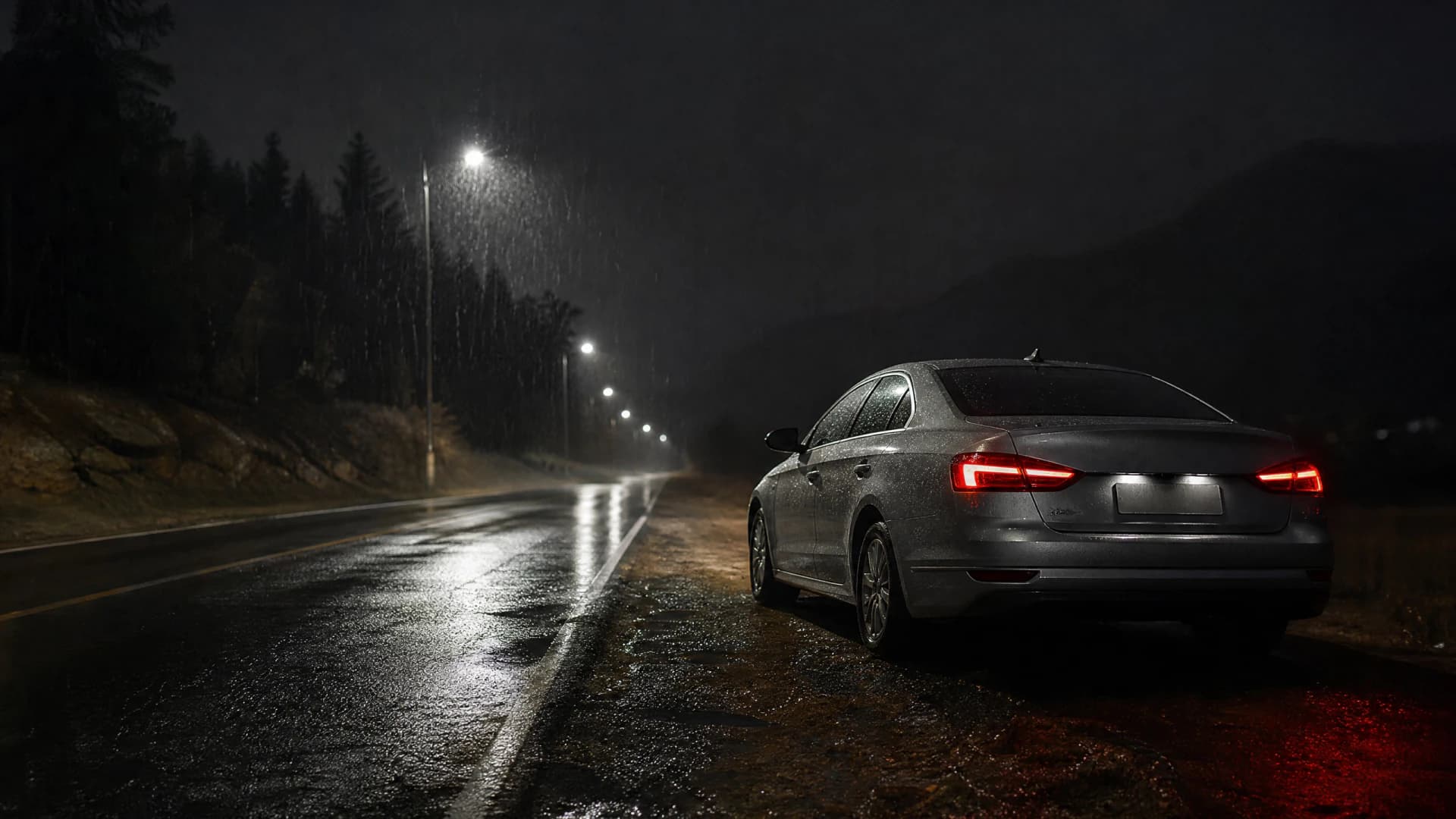
The blocker: you don't know which vehicles justify the collision and comprehensive premium when the cost compounds across three or four cars on one policy.
Related Articles


The Multi-Car Premium Reality
Adding collision and comprehensive to one vehicle on a multi-car policy does not cost the same as adding it to a single-car policy. Insurers apply a multi-car discount to the total premium, but the discount applies after each vehicle is rated individually. That means the marginal cost of adding full coverage to a second or third vehicle is lower than the cost of adding it to the first, but it's not zero.
Indiana's uninsured motorist rate is 14 percent. That's the share of drivers on the road without liability coverage. If an uninsured driver hits your car, your collision coverage pays to repair your vehicle minus your deductible, regardless of fault. Without collision, you're left filing a claim against a driver with no insurance and limited assets. Uninsured and underinsured motorist coverage is optional in Indiana, but it's a separate decision from collision and comprehensive. It covers your medical bills and lost wages when the at-fault driver's liability limits are too low or nonexistent. It does not pay to repair your car—that's collision's job.
The per-vehicle decision is independent; the policy-level discount rewards insuring all vehicles together.
14%
Indiana Uninsured Motorist Rate
Fourteen percent of Indiana drivers operate without liability insurance. Collision coverage on your own policy is the only way to guarantee your vehicle is repaired after an accident with an uninsured driver, regardless of fault.
Insurance Information Institute, 2023

When Dropping Coverage Makes Sense
The conventional threshold: when a vehicle's value falls below ten times the annual cost of collision and comprehensive, you're paying a significant percentage of the car's worth each year to insure it. After three years of premiums with no claims, you've paid more than the car is worth. At that point, liability-only coverage and self-insuring the replacement risk often makes more financial sense.
The failure mode most households miss: dropping collision and comprehensive mid-term does not refund the unused premium proportionally on all policies. Some carriers prorate the refund; others apply a short-rate penalty that reduces the refund by 10 to 15 percent. When you're removing coverage from one vehicle on a multi-car policy, ask the carrier how the refund is calculated before you make the change.
Compare Carriers for Multi-Vehicle Coverage
Indiana has 29 carriers writing auto insurance in the state, and their approaches to multi-car discounts and per-vehicle rating vary. Some carriers offer a larger multi-car discount but rate each vehicle's collision and comprehensive higher. Others rate collision and comprehensive lower per vehicle but apply a smaller multi-car discount. The total premium is what matters, not the discount percentage. A 15 percent discount on a higher base rate can cost more than a 10 percent discount on a lower one.
When you're deciding liability versus full coverage across multiple vehicles, get quotes that reflect your actual coverage choices per car. Tell the carrier which vehicles you want full coverage on and which you want liability only. The quote should show the per-vehicle premium breakdown so you can see exactly what each coverage decision costs. Compare that structure across at least three carriers. The lowest-cost carrier for a single vehicle with full coverage is often not the lowest-cost carrier for a three-car policy with mixed coverage levels.
How to Decide Coverage by Vehicle
Start with loan and lease obligations. If a vehicle is financed or leased, the lender requires collision and comprehensive as a condition of the loan. You cannot drop those coverages until the loan is paid off. For owned vehicles, the decision hinges on replacement cost. If the vehicle's current value is high enough that you could not replace it out of pocket after a total loss, collision and comprehensive protect that asset. If the vehicle is worth less than ten times your annual collision and comprehensive premium, you're approaching the point where self-insuring—setting aside the premium you'd pay and using it to replace the car if needed—becomes viable.
Deductibles matter more on a multi-car policy because you're choosing one for each vehicle. A $500 deductible costs more per month than a $1,000 deductible, and that difference multiplies across every car carrying collision and comprehensive. The tradeoff: you pay the first $1,000 of repair costs yourself. Choose the deductible you can afford to pay per vehicle if two cars are damaged in the same month.
Get Your Free Quote
Get My Indiana Car Insurance QuoteFrequently Asked Questions
Can I carry full coverage on one vehicle and liability only on another on the same policy?
Yes. Indiana law requires liability on every vehicle, but collision and comprehensive are optional and chosen per vehicle. Most multi-car policies mix coverage levels—full coverage on financed or high-value cars, liability only on older paid-off vehicles.
Does dropping collision and comprehensive mid-term refund my premium?
Most carriers prorate the refund when you remove coverage mid-term, but some apply a short-rate penalty that reduces the refund by 10 to 15 percent. Ask your carrier how the refund is calculated before making the change.
What happens if an uninsured driver hits my car and I only have liability coverage?
Your liability coverage does not pay to repair your own vehicle. Without collision coverage, you're left filing a claim against the uninsured driver directly, which rarely recovers the full repair cost. Collision coverage pays to repair your car minus your deductible, regardless of the other driver's insurance status.
How much does collision and comprehensive cost on a multi-car policy in Indiana?
The cost depends on each vehicle's age, value, and your deductible choice. Newer high-value vehicles cost more to insure with full coverage than older paid-off cars. The multi-car discount lowers the total premium, but each vehicle is still rated individually.
Should I carry the same deductible on every vehicle on my policy?
Not necessarily. You choose a deductible separately for each vehicle carrying collision and comprehensive. A higher deductible on an older vehicle and a lower deductible on a financed car is a common structure. Choose the deductible you can afford to pay per vehicle if multiple cars are damaged in the same period.
Does Indiana require uninsured motorist coverage?
No. Uninsured and underinsured motorist coverage is optional in Indiana. It covers your medical bills and lost wages when the at-fault driver has no insurance or insufficient liability limits. It does not pay to repair your vehicle—collision coverage handles that.