
Minimum Coverage Multi-Car Policies — Indiana
Free to compare
When Minimum Coverage Works for Multi-Vehicle Households
You own two or more vehicles in Indiana, and you're weighing whether to carry only the state-required minimum liability on all of them or upgrade some to full coverage. The decision isn't binary across the household: most multi-car families end up with a split structure, carrying minimum coverage on older paid-off vehicles and full coverage on financed or high-value cars. Indiana law requires $25,000 bodily injury per person, $50,000 bodily injury per accident, and $25,000 property damage per vehicle, but it does not mandate collision, comprehensive, uninsured motorist, or personal injury protection.
The multi-car discount applies when every vehicle sits on the same policy, but the discount does not change the coverage-level decision for each car. You can carry different coverage tiers on different vehicles within one policy: minimum liability on the 2010 sedan you own outright, full coverage on the 2022 SUV with a loan. The structural question is not whether minimum coverage is enough for the household, but which vehicles in the household genuinely need more than minimum, and which do not.
“You can carry minimum liability on paid-off cars while meeting the loan requirement on financed ones—the multi-car discount applies to the entire policy.”

Meet Indiana's Requirements Without Overpaying
Get My Indiana Car Insurance Quote$25,000 / $50,000 / $25,000
Indiana Minimum Liability Limits
Indiana requires $25,000 bodily injury coverage per person, $50,000 per accident, and $25,000 property damage per vehicle. These are the floor amounts to register and legally drive; they apply to every vehicle on your policy, but you can add collision and comprehensive to individual cars without changing the liability tier.
Indiana Bureau of Motor Vehicles
The Loan Requirement Splits Your Coverage Structure
The first structural blocker is the lender. If any vehicle in your household carries a loan or lease, the lender requires collision and comprehensive coverage on that specific car. Minimum liability does not satisfy the loan agreement. You cannot choose to carry only state-minimum coverage on a financed vehicle: the lender's contract overrides your preference, and the policy must reflect full coverage on that car or the lender will force-place insurance at a higher cost.
This creates a split-coverage household by default. One vehicle on your policy carries full coverage because the loan demands it; the other vehicles, if owned outright, can carry minimum liability. The multi-car discount applies to the entire policy, but the coverage tiers vary by vehicle. Carriers price each car individually based on its coverage level, then apply the multi-car discount to the combined premium.
When you pay off a loan mid-term, you can drop collision and comprehensive on that vehicle immediately by calling your carrier. The policy re-rates at that moment, and your premium drops. The reverse is also true: adding a financed vehicle to an existing minimum-coverage policy forces you to add full coverage to that car, and the policy re-rates upward. The multi-car discount cushions the increase but does not eliminate it.
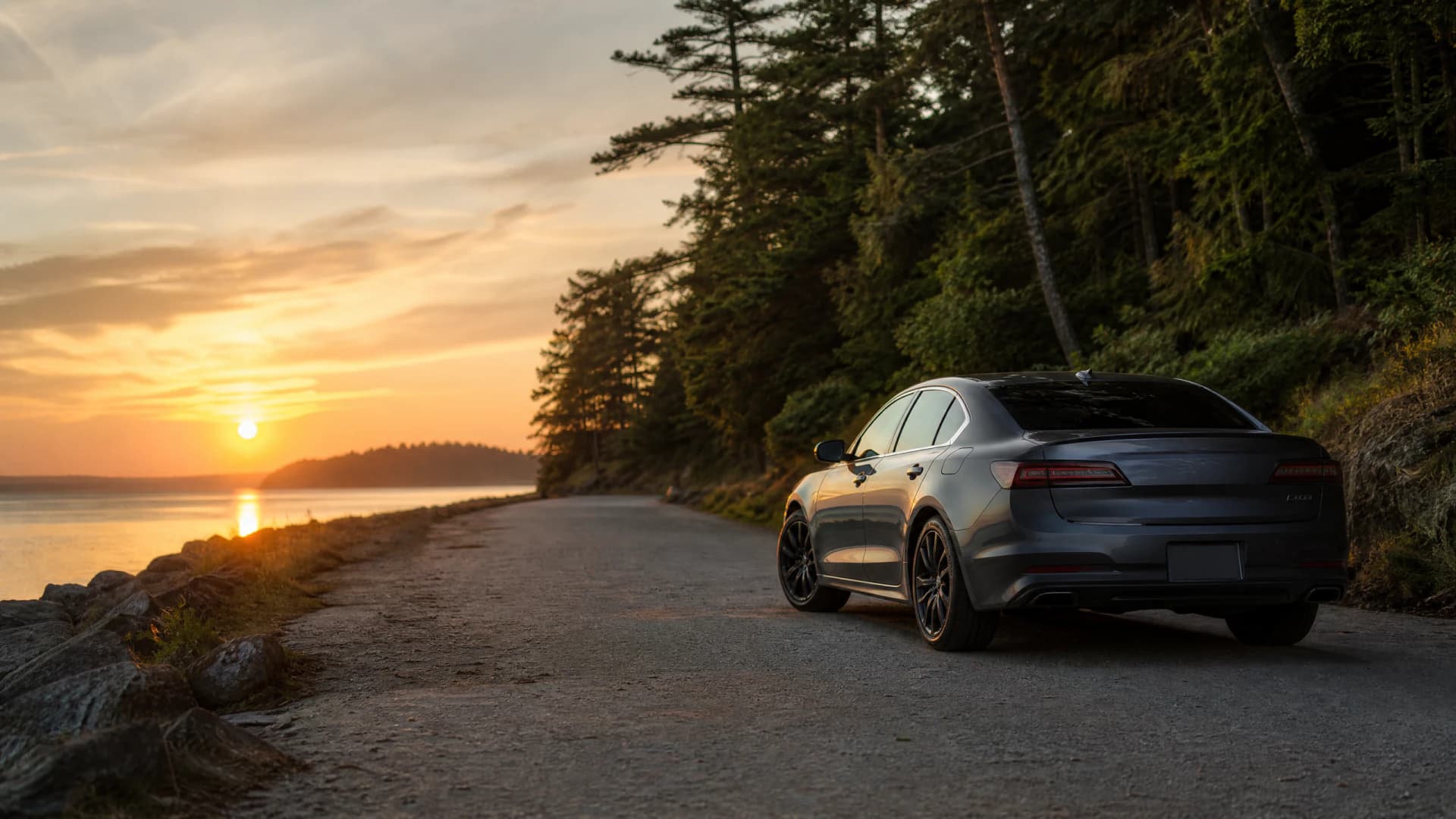
A lender's collision and comprehensive requirement applies only to the financed vehicle, not to every car on your policy. You can carry minimum liability on paid-off cars while meeting the loan requirement on the financed one.
Related Articles






Household Asset Exposure and Liability Limits
Indiana's minimum liability limits protect you up to $25,000 per person injured, $50,000 per accident, and $25,000 in property damage. If you cause an accident that injures multiple people or totals a high-value vehicle, and the damages exceed those limits, you are personally liable for the difference. The injured party can sue you for the excess, and a judgment can attach to your wages, bank accounts, and property.
Multi-car households often carry higher household assets: home equity, retirement accounts, savings. This is a per-policy decision, not a per-vehicle one: the liability limit you choose applies to every vehicle on the policy.
Some households split the decision: they carry higher liability limits on the policy to protect household assets, but they drop collision and comprehensive on older paid-off vehicles to control premium. This structure gives you asset protection without paying for physical-damage coverage on cars that aren't worth insuring for collision. It's the most common configuration for multi-car families with mixed vehicle ages.
14%
Indiana Uninsured Motorist Rate
Fourteen percent of Indiana drivers carry no insurance. If an uninsured driver hits your vehicle, minimum liability on your own policy does not cover your car's damage or your medical bills. Uninsured motorist coverage is optional in Indiana but protects you when the at-fault driver has no coverage.
Insurance Information Institute, 2023

Uninsured Motorist Coverage and Multi-Car Households
Indiana does not require uninsured motorist coverage, but 14 percent of drivers in the state carry no insurance. If one of them hits your vehicle, your minimum liability policy pays nothing toward your own car's repair or your medical expenses. You would file a claim against the at-fault driver directly, but an uninsured driver typically has no assets to collect against, and you absorb the loss.
Uninsured motorist coverage closes that gap. It pays for your vehicle damage and medical bills when the at-fault driver has no insurance or insufficient coverage. The cost is modest compared to collision coverage because it only pays when the other driver is uninsured, not in every accident. For multi-car households, adding uninsured motorist coverage to the policy protects every vehicle and every household member for one incremental premium, and it's often the first upgrade families make beyond minimum liability.
Comparing Carriers for Multi-Car Minimum-Coverage Policies
Not every carrier prices multi-car minimum-coverage policies the same way. Some apply a larger multi-car discount but start from a higher base rate; others offer a smaller discount on a lower base. The carrier that quotes lowest for a single vehicle at minimum coverage may not quote lowest for three vehicles, because the discount structure varies. Indiana has 29 carriers writing auto insurance in the state, and rate differences for multi-car households can exceed 30 percent between the highest and lowest quotes for identical coverage.
When you compare quotes, specify the exact coverage level for each vehicle: minimum liability on the paid-off cars, full coverage on the financed ones, and the liability limit tier you want across the policy. Carriers re-rate the entire policy when you add or remove a vehicle, so the quote you receive today reflects your current fleet. If you plan to add a car in six months, that addition will trigger a new rate calculation, and the premium will change. Request quotes from at least three carriers that write multi-car policies in Indiana, and confirm that each quote reflects the multi-car discount before comparing.
Vehicle Value and the Coverage-Level Decision
A common rule of thumb: if the vehicle's market value is less than ten times the annual cost of collision and comprehensive coverage, consider dropping those coverages and carrying only liability. Over three years, you've paid more in premiums than the car is worth.
This calculation applies per vehicle. In a three-car household, you might carry full coverage on the two newer vehicles and minimum liability on the 15-year-old truck. The policy structure reflects the asset mix. Carriers allow this: you select coverage levels individually for each vehicle when you add it to the policy, and you can adjust them at any time by calling your agent or logging into your account.
Get Your Free Quote
Get My Indiana Car Insurance QuoteFrequently Asked Questions
Can I carry different coverage levels on different vehicles on the same Indiana policy?
Yes. Indiana carriers allow you to select coverage levels individually for each vehicle on a multi-car policy. You can carry minimum liability on a paid-off older car and full coverage on a financed newer vehicle within the same policy. The multi-car discount applies to the combined premium regardless of the coverage mix.
Does Indiana require uninsured motorist coverage on multi-car policies?
No. Indiana does not mandate uninsured motorist coverage. It is optional, but 14 percent of Indiana drivers are uninsured. If an uninsured driver hits your vehicle, your minimum liability policy will not cover your car's damage or your medical bills. Uninsured motorist coverage closes that gap for a modest additional premium.
What happens to my multi-car policy premium when I pay off a vehicle loan in Indiana?
When you pay off a loan, you can drop collision and comprehensive coverage on that vehicle immediately. Call your carrier to remove those coverages, and the policy re-rates at that moment. Your premium drops because you're no longer paying for physical-damage coverage on that car. The multi-car discount remains in effect.
How do I know if minimum liability is enough for my household in Indiana?
Minimum liability ($25,000/$50,000/$25,000) is enough to meet Indiana's legal requirement, but it may not protect your household assets. This shields your assets if you cause a serious accident and damages exceed the minimum limits.
Do all vehicles on my Indiana multi-car policy need the same liability limits?
No. Liability limits apply per policy, not per vehicle. Every vehicle on your policy shares the same liability limit tier. Collision and comprehensive, however, are selected individually for each vehicle.