
The Coverage Decision Facing Multi-Vehicle Households
You've registered two or more vehicles in Indiana, met the state's $25,000 per person, $50,000 per accident bodily injury, and $25,000 property damage liability minimums, and now a carrier is offering collision, comprehensive, and uninsured motorist coverage on top. The question is whether those optional coverages are worth paying for—and whether you need them on every vehicle or just some.
Most single-car coverage advice treats optional coverages as binary: you either buy them or you don't. Multi-vehicle households face a structural question that advice misses: can you carry collision on one car and not another, or does the multi-car discount require uniform coverage across every vehicle on the policy? The answer determines whether optional coverage is affordable or prohibitively expensive for your household.
Compare car insurance rates in your state
Get quotes from licensed carriers — no obligation, no spam, results in minutes.
Get Your Free QuoteIndiana Uninsured Motorist Rate
14%
Fourteen percent of Indiana drivers carry no insurance, meaning roughly one in seven vehicles on the road cannot pay for damage they cause. Uninsured motorist coverage protects your household when one of those drivers hits you.
Insurance Research Council, 2023
What Indiana Requires Versus What Carriers Offer
Indiana law requires liability coverage only: $25,000 per person and $50,000 per accident for bodily injury, plus $25,000 for property damage. The state does not mandate collision, comprehensive, uninsured motorist, or underinsured motorist coverage. Those are optional products carriers offer on top of the liability floor.
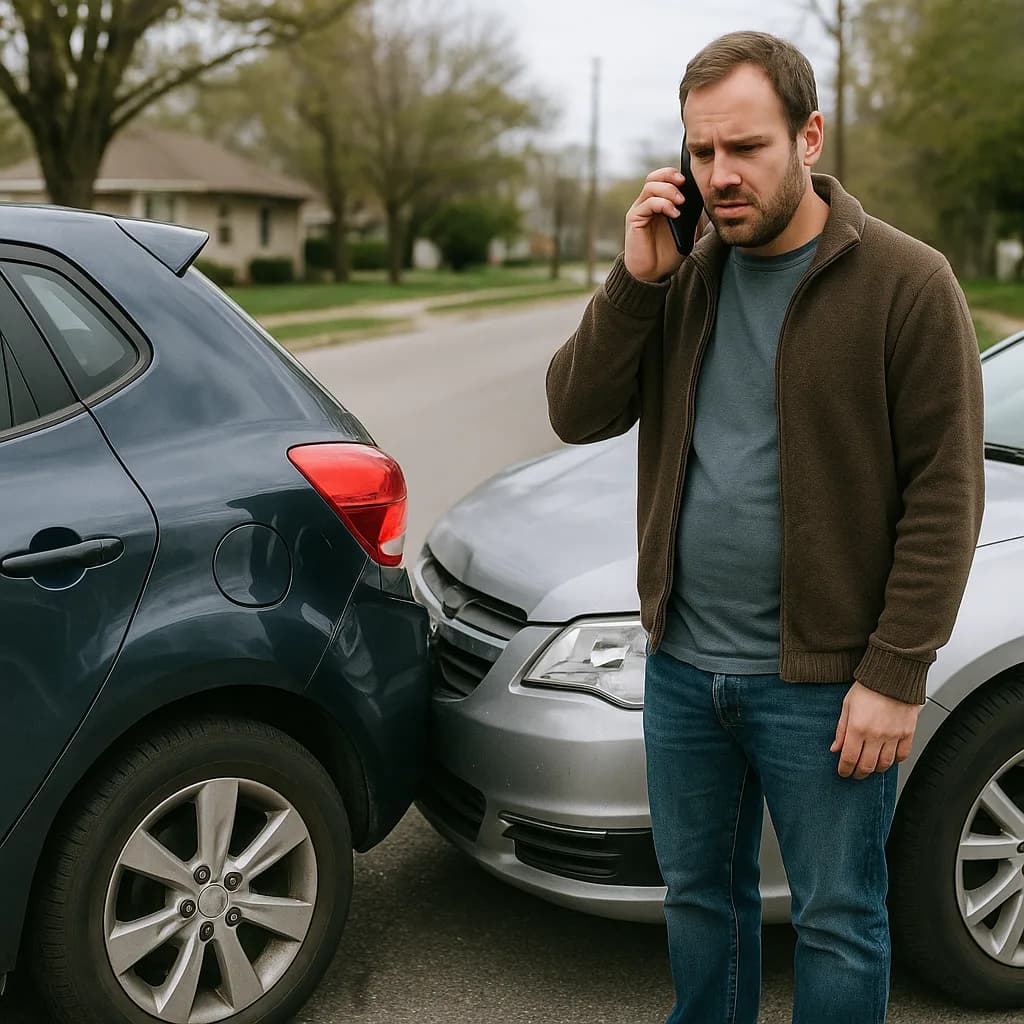
Collision pays to repair your own vehicle after an at-fault crash. Comprehensive pays for non-collision damage: theft, hail, fire, vandalism, hitting a deer. Uninsured motorist coverage pays your medical bills and vehicle repair when an uninsured driver hits you. Underinsured motorist coverage fills the gap when the at-fault driver's liability limit is too low to cover your damages.
Liability-only policies meet Indiana's legal requirement and cost less, but they leave your own vehicles unprotected. If you cause a crash, liability pays the other driver's bills—not yours. If someone without insurance hits you, liability does nothing. Optional coverages exist to close those gaps.
The multi-car discount typically requires every vehicle on the same policy, but carriers do not require identical coverage levels on each car—you can structure optional coverages vehicle by vehicle.
When Optional Coverage Justifies the Cost
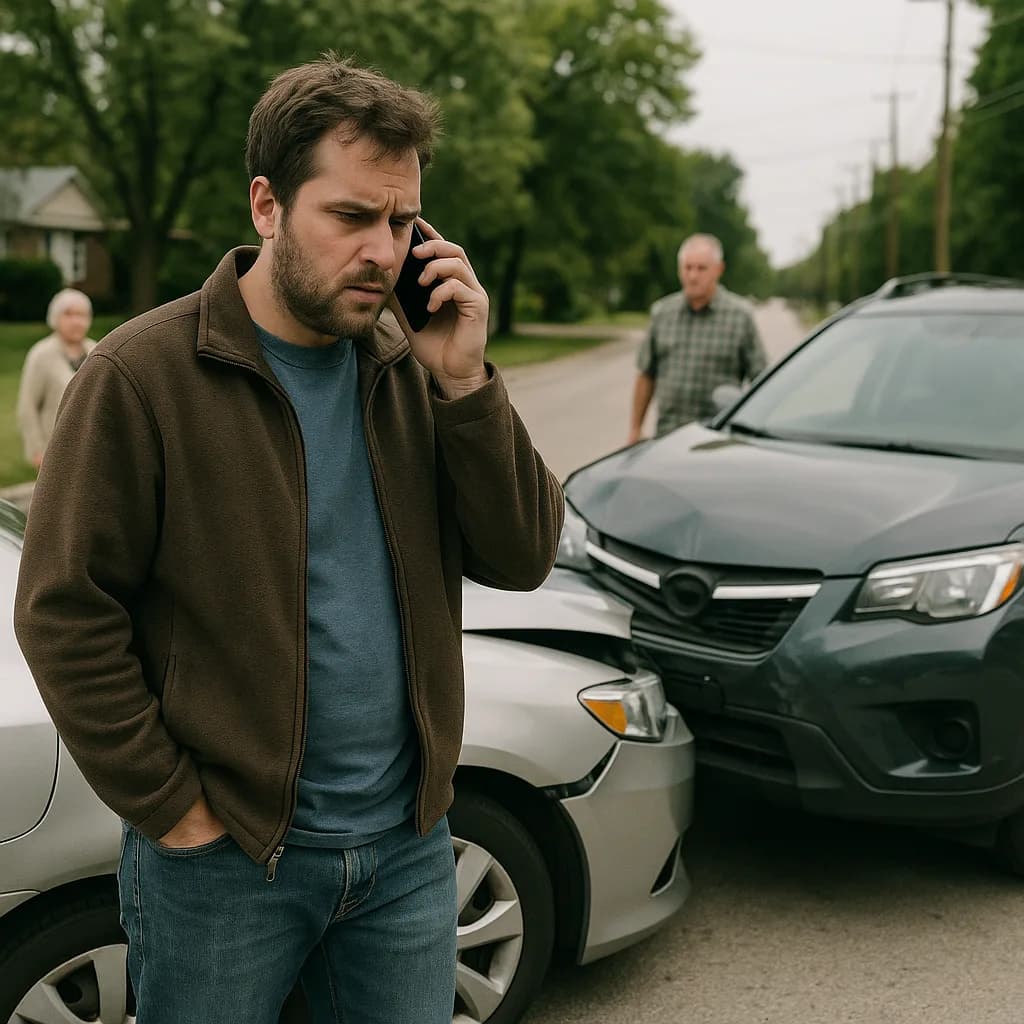
Collision and comprehensive make sense when the vehicle's value exceeds what you can afford to replace. The conventional threshold: drop collision and comprehensive when the vehicle's value falls below ten times the annual premium for those coverages.
Uninsured and underinsured motorist coverage justify the cost in Indiana because 14% of drivers carry no insurance.
Related Articles




Structuring Coverage Across Multiple Vehicles
Multi-vehicle households can carry different coverage levels on different cars. Carriers price each vehicle separately based on its own coverage selections, then apply the multi-car discount to the combined premium.
The failure mode most households miss: adding a third or fourth vehicle with full coverage can raise the total premium more than the multi-car discount saves. The discount applies to the total, but the total has grown faster than the discount offsets.
Deductibles control cost. A $500 collision deductible costs more per month than a $1,000 deductible; the difference compounds across multiple vehicles. The tradeoff: you pay the first $1,000 of repair costs out of pocket at claim time.
Indiana Average Annual Auto Expenditure
Households insuring multiple vehicles pay that amount per car, not per household.
NAIC Auto Insurance Database Report, 2023
Comparing Carriers That Write Multi-Vehicle Policies
Not every carrier prices optional coverages the same way across multiple vehicles. State Farm, GEICO, Progressive, Allstate, and Nationwide all write multi-car policies in Indiana and offer collision, comprehensive, and uninsured motorist coverage, but their multi-car discount structures and per-vehicle pricing differ. Some carriers apply a larger discount when every vehicle carries the same coverage level; others price each vehicle independently and apply a flat percentage discount to the total.
Carriers in Indiana's non-standard tier—Acceptance Insurance, Bristol West, Dairyland, The General—write policies for households with violations or lapses and typically require higher premiums for optional coverages.
What to Do Right Now
Request quotes from at least three carriers that write multi-vehicle policies in Indiana, specifying the coverage level you want on each vehicle. Compare the total premium with collision and comprehensive on every car, then compare it again with optional coverages on only your highest-value vehicles. The difference shows whether uniform coverage or selective coverage costs less for your household.
If the premium for full coverage across every vehicle exceeds what you can afford, structure coverage vehicle by vehicle: carry collision and comprehensive on financed or high-value cars, liability-only on older paid-off vehicles, and uninsured motorist coverage on every car. That structure keeps your household protected against uninsured drivers—the highest-probability risk in a state where 14% of drivers carry no insurance—without paying for collision coverage you may not need on every vehicle.