
Multi-Car Insurance Savings — Indiana
Free to compare
When Adding a Vehicle Costs More Than Expected
You bought a second car for your household and expected the multi-car discount to lower your combined premium. Instead, your carrier quoted a rate that barely dropped — or went up. The confusion stems from how multi-car discounts actually work: the discount applies only when every vehicle sits on the same policy, titled to the same household members, and garaged at the same address. A car titled to your spouse on a separate policy, or a vehicle your adult child owns outright, does not count toward your multi-car discount even if it parks in your driveway every night.
Indiana law requires every registered vehicle to carry minimum liability coverage of $25,000 per person, $50,000 per accident for bodily injury, and $25,000 for property damage. Those minimums apply per policy, not per vehicle. When you add a second car to an existing policy, the carrier re-rates the entire policy based on all vehicles, all drivers, and the new combined risk. The multi-car discount offsets part of that increase, but it does not eliminate it. Understanding the mechanics — and the structural blockers that prevent the discount from applying — determines whether combining policies saves money or costs more.
“A vehicle titled to someone outside your policy does not count toward your multi-car discount, even if it parks at your address.”

Meet Indiana's Requirements Without Overpaying
Get My Indiana Car Insurance Quote$25,000 / $50,000 / $25,000
Indiana Minimum Liability
Every vehicle registered in Indiana must carry at least $25,000 bodily injury per person, $50,000 per accident, and $25,000 property damage. These minimums apply per policy, not per vehicle, so adding a second car does not double the required coverage — but it does re-rate the policy based on combined risk.
Indiana Bureau of Motor Vehicles
What the Multi-Car Discount Actually Requires
The multi-car discount is not automatic when you own multiple vehicles. It applies only when every vehicle you want to discount sits on the same policy. That means the same policy number, the same named insured, and typically the same garaging address. A vehicle titled solely to your spouse, your adult child, or a roommate sits on a separate policy by default, even if you live together. The carrier treats each titled owner as a separate risk pool.
Indiana does not mandate a multi-car discount, so carriers structure the requirement differently. Most require that all vehicles share a primary garaging address and that every driver in the household be listed on the policy or explicitly excluded. A car garaged at a second address — your college student's apartment, a vacation property, or a workplace parking lot — may not qualify for the same-policy discount even if you own it. Some carriers allow it with documentation; others require a separate policy for any vehicle garaged more than a certain distance from the primary address.
The discount itself varies by carrier. Some apply a flat percentage reduction to each vehicle after the first; others reduce the base rate before calculating coverage premiums. A smaller discount on a lower base rate can beat a larger discount on a higher one, which is why comparing carriers that write multi-car policies in Indiana matters more than chasing the advertised discount percentage. The structural requirement — same policy, same address, same titled ownership — determines eligibility before the discount size matters.
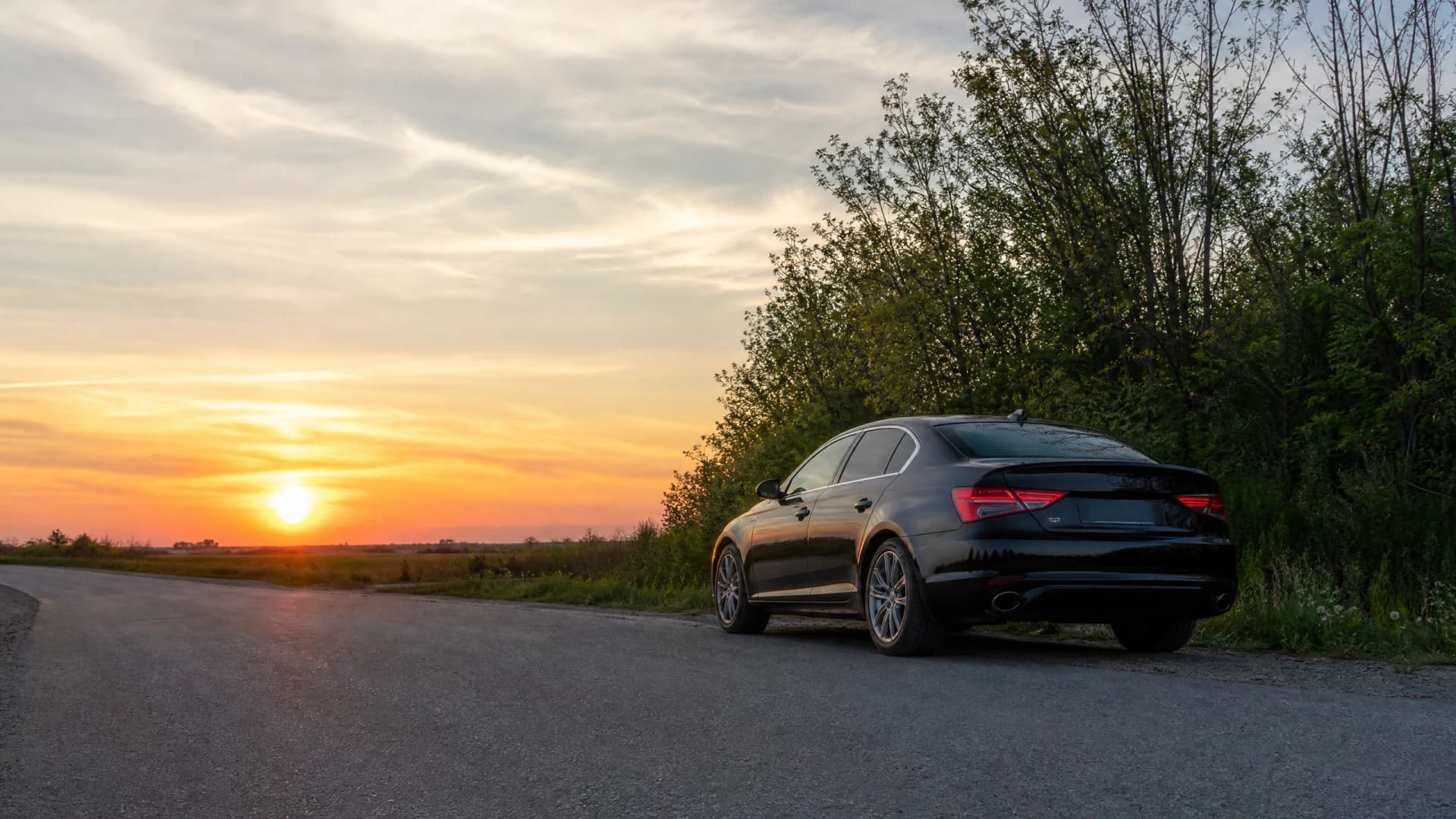
A vehicle titled to someone outside your policy does not count toward your multi-car discount, even if it parks at your address every night.





When Combining Policies Costs More
Combining two existing policies into one multi-car policy does not always lower the total premium. The combined policy re-rates based on every driver and every vehicle. If one spouse has a clean record and the other has a recent claim or violation, the combined policy prices both drivers at the higher-risk tier. Two separate policies allow each driver to be rated independently. The multi-car discount has to exceed the rating penalty for combining to make financial sense.
Indiana allows carriers to use credit-based insurance scores, driving history, age, and location to set rates. When you combine policies, the carrier applies the highest-risk driver's profile to the entire policy. A household with one driver under 25 and one over 50 pays a combined rate weighted toward the younger driver's risk. If the older driver's separate policy was priced at a preferred tier, combining policies may raise their portion of the premium more than the multi-car discount saves. Running quotes for both structures — combined and separate — before making the change is the only way to avoid a surprise increase.
Garaging address also affects combined-policy pricing. If one vehicle is garaged in a county with higher theft rates or claim frequency, the combined policy prices both vehicles at the higher-risk location. Indiana's uninsured motorist rate is 14 percent, and claim frequency varies significantly by county. A car garaged in Marion County may carry a higher base rate than one garaged in a rural county, and combining them onto one policy applies the higher-risk location to both. Some carriers allow you to specify separate garaging addresses for each vehicle on a multi-car policy; others require a single primary address and price the entire policy there.
14%
Indiana Uninsured Motorist Rate
Fourteen percent of Indiana drivers carry no insurance, one of the highest uninsured rates in the region. Carriers price uninsured motorist coverage and collision premiums higher in counties with elevated uninsured rates, and a multi-car policy prices every vehicle at the combined risk of all garaging locations.
Insurance Research Council, 2023

Comparing Carriers That Write Multi-Car Policies
Not every carrier writes multi-car policies the same way. Some apply the discount to every vehicle after the first; others apply it only to the second vehicle and price additional cars at standard rates. Some carriers require all drivers in the household to be listed or excluded; others allow unlisted household members as long as they have their own policy elsewhere. The structural differences affect total cost more than the advertised discount percentage.
Indiana has 26 carriers writing auto insurance statewide, including standard-tier carriers like State Farm, Geico, Progressive, Allstate, and Nationwide, and non-standard carriers like Acceptance, Bristol West, Dairyland, and The General. Standard-tier carriers typically offer multi-car discounts between policies that meet their underwriting criteria. Non-standard carriers may not offer a multi-car discount at all, or may require higher liability limits than the state minimum to qualify. If one vehicle or driver in your household falls into a non-standard risk category, you may need separate policies: one standard-tier policy for the lower-risk vehicle and driver, and one non-standard policy for the higher-risk one. That structure often costs less than forcing both onto a single non-standard policy.
What to Do Right Now
Start by confirming titled ownership for every vehicle you want to insure. If a car is titled to someone not on your current policy, you cannot add it without adding that person as a named insured. If combining policies raises your premium more than the multi-car discount saves, keeping separate policies is the correct choice. Request quotes for both structures from at least three carriers that write multi-car policies in Indiana. Compare the combined-policy premium against the sum of two separate policies, and verify that every vehicle qualifies for the same-policy discount based on garaging address and titled ownership. The lowest total cost wins, whether that is one combined policy or two separate ones.
How Titled Ownership Blocks the Discount
Indiana titles vehicles to individuals, not households. When you buy a car, the title lists the legal owner. If your spouse buys a car and the title lists only their name, that vehicle belongs to them, not to a shared household policy. The carrier underwrites each titled owner separately. You cannot add a vehicle you do not own to your policy without adding the titled owner as a named insured. If your spouse already has a separate policy, adding them to yours triggers a full re-rate of both policies, and the combined premium may exceed what you paid separately.
The same rule applies to adult children. A car titled to your 22-year-old child who lives with you sits on their own policy unless you add them as a named insured on yours. If they have a clean driving record, their separate policy may cost less than adding them to yours. If they have violations or claims, adding them re-rates your entire policy based on their risk. The multi-car discount offsets part of that increase, but not all of it. Comparing the combined premium against two separate policies is the only way to know which structure saves money.
Get Your Free Quote
Get My Indiana Car Insurance QuoteFrequently Asked Questions
Does Indiana require a multi-car discount?
No. Indiana does not mandate a multi-car discount. Carriers offer it voluntarily, and the discount size, eligibility rules, and same-policy requirements vary by carrier. Some apply the discount to every vehicle after the first; others apply it only to the second vehicle.
Can I add a car titled to my spouse to my policy?
Only if your spouse is added as a named insured on your policy. A vehicle titled solely to your spouse sits on a separate policy by default. Adding them to your policy triggers a full re-rate based on both drivers and both vehicles, and the combined premium may exceed what you paid separately.
Does a multi-car discount apply if vehicles are garaged at different addresses?
It depends on the carrier. Most require all vehicles to share a primary garaging address to qualify for the same-policy discount. Some allow separate garaging addresses with documentation, but the policy prices each vehicle at its own location's risk tier, which may reduce or eliminate the discount's value.
Is it cheaper to combine two policies or keep them separate?
It depends on driving records, vehicle types, and garaging locations. Combining policies re-rates both drivers and vehicles at the combined risk level. If one driver has violations or one vehicle is garaged in a high-risk county, the combined policy may cost more than two separate policies even with a multi-car discount. Compare quotes for both structures.
Can I insure a car my adult child owns on my policy?
Only if the car is titled to you or your adult child is added as a named insured on your policy. A car titled solely to your child sits on their own policy by default. Adding them to yours re-rates your entire policy based on their driving record and the vehicle's risk, and the multi-car discount may not offset the increase.