
Multi-Car Discount Mechanics — Indiana
Free to compare
Why Your Premium Went Up After Adding a Second Car
You bought a second vehicle, added it to your existing Indiana auto policy, and watched your premium jump higher than you expected. The carrier confirmed the multi-car discount applied, but the total monthly cost still increased. This confuses drivers who assume the discount means automatic savings.
The structural reality: the multi-car discount reduces the premium after the policy re-rates for the added vehicle's exposure. Your policy now covers two cars, two sets of liability limits, two collision and comprehensive exposures if you carry full coverage, and potentially a second driver. The discount shaves a percentage off that new total, but the new total reflects more risk than the single-car policy carried. The discount does not erase the cost of the added vehicle — it reduces the combined premium below what two separate policies would cost.
“The multi-car discount reduces the combined premium below what two separate policies would cost, but it does not reduce it below what the original single-car policy cost.”

Meet Indiana's Requirements Without Overpaying
Get My Indiana Car Insurance Quote$25,000 / $50,000 / $25,000
Indiana Minimum Liability Limits
Every vehicle on an Indiana policy must carry at least $25,000 bodily injury per person, $50,000 per accident, and $25,000 property damage. Adding a second car doubles the liability exposure the carrier underwrites, even when the limits per vehicle stay the same.
Indiana Bureau of Motor Vehicles
How the Multi-Car Discount Actually Works
The multi-car discount applies to the base premium after the carrier calculates the cost of insuring every vehicle on the policy. The carrier rates each car individually: year, make, model, garaging address, annual mileage, coverage selections, and driver assignment. It sums those individual premiums, then applies the multi-car discount to the total.
Most Indiana carriers require every vehicle to sit on the same policy and share a garaging address for the discount to apply. A car titled to a household member on a separate policy does not count. A vehicle garaged at a different address may not qualify, depending on the carrier's underwriting rules.
The discount percentage varies by carrier. Some advertise the discount prominently; others build it into their base rate structure without naming it explicitly. The percentage alone does not determine savings — a smaller discount on a lower base rate can beat a larger discount on a higher one. Comparing quotes from multiple carriers that write multi-vehicle policies in Indiana is the only way to see the actual combined premium.
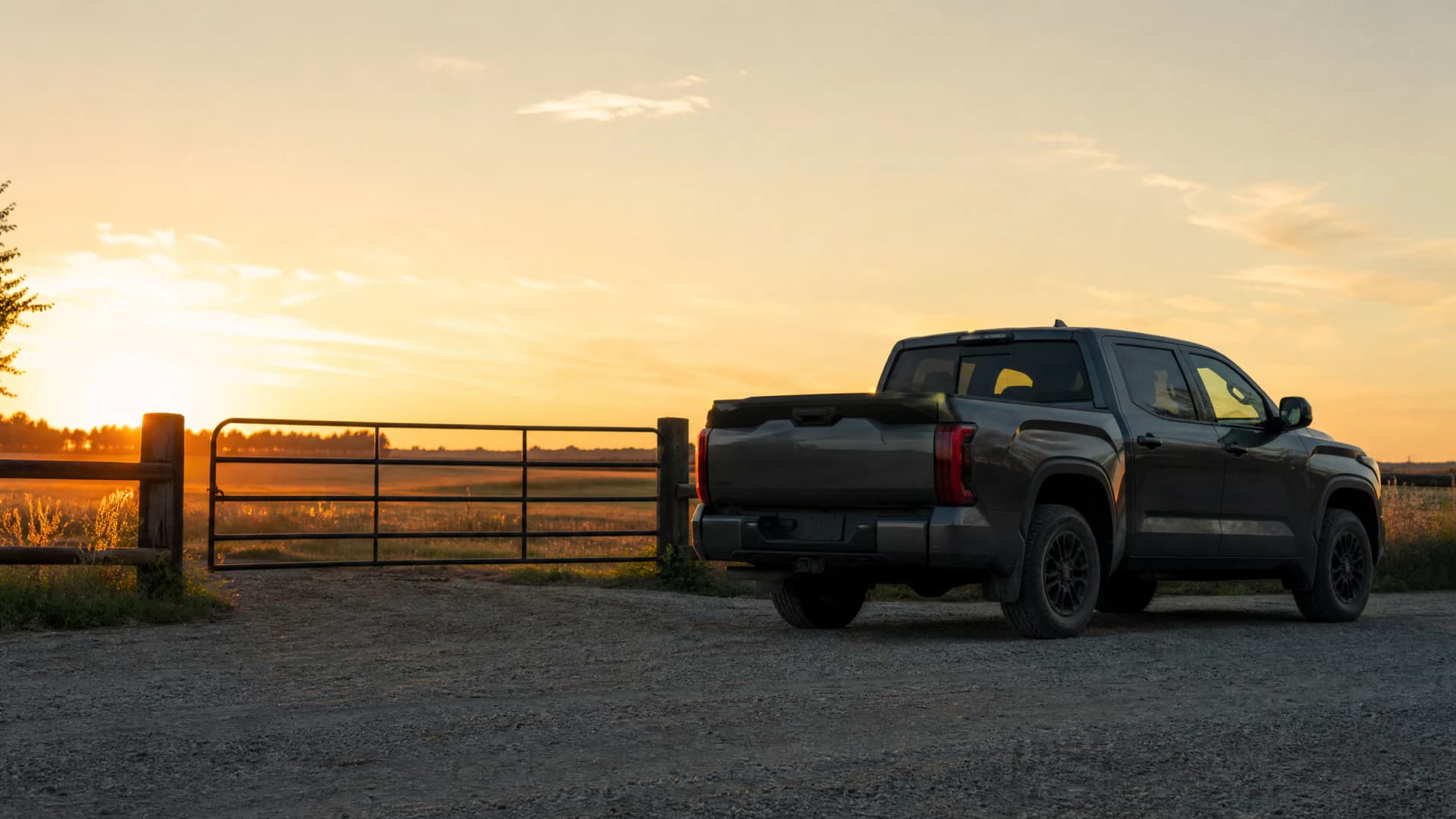
The multi-car discount reduces the combined premium below what two separate policies would cost, but it does not reduce the premium below what the original single-car policy cost.






When Combining Policies Saves Money and When It Doesn't
Combining two single-car policies into one multi-vehicle policy almost always lowers the total premium compared to keeping them separate. Two adults in the same household, each with their own car and their own policy, pay more combined than they would on one shared policy with both vehicles. The multi-car discount applies, and the carrier eliminates duplicate administrative costs.
The exception: when one driver carries a significantly worse record than the other. A driver with a recent DUI, multiple at-fault accidents, or a suspended license raises the premium for every vehicle on the policy. In that case, keeping the high-risk driver on a separate non-standard policy and the other driver on a preferred-tier policy may cost less combined than merging them. Some Indiana carriers will not write a policy that includes both a standard-risk and a high-risk driver on the same account.
Marriage, cohabitation, or a college student returning home with a car all trigger this decision. Compare the combined premium on one shared policy against the total of two separate policies. Request quotes both ways from carriers that write multi-vehicle coverage in Indiana. The answer depends on driving records, vehicle values, and each carrier's underwriting appetite.
14%
Indiana Uninsured Motorist Rate
Fourteen percent of Indiana drivers carry no insurance. Uninsured motorist coverage protects you when an at-fault driver cannot pay. Adding it to a multi-car policy costs less per vehicle than adding it to two separate policies, and it covers every car and driver on the policy.
Insurance Research Council, 2023

Structuring Coverage Across Multiple Vehicles
Indiana households with multiple cars often carry different coverage levels on each vehicle. The newer car with a loan or lease carries full coverage because the lender requires it. The older paid-off car carries liability only, or liability plus uninsured motorist without collision and comprehensive. This structure keeps the combined premium lower than insuring every car at the same coverage level.
Deductible choices compound across vehicles. Raising the collision deductible from $500 to $1,000 on two cars saves more than raising it on one. Dropping comprehensive coverage entirely on a car worth less than ten times the annual comprehensive premium is a standard threshold many Indiana drivers use. The multi-car discount applies to the total premium after these coverage selections, so trimming unnecessary coverage on one vehicle amplifies the discount's effect on the combined cost.
Compare Carriers That Write Multi-Vehicle Policies in Indiana
Not every carrier prices multi-car policies the same way. Some build the discount into their base rate structure; others apply it as a named line-item reduction. Base rate differences between carriers often exceed the discount percentage, so the carrier with the largest advertised multi-car discount may not deliver the lowest combined premium for your household. Geico, Progressive, State Farm, Allstate, and Nationwide all write multi-vehicle policies in Indiana and allow online quotes. American Family, Erie, and Farmers also write here, though some require broker contact for multi-car quotes. Request quotes with every vehicle, every driver, and identical coverage selections on each quote to compare accurately. The combined premium after the discount is the only number that matters — not the discount percentage alone.
What Drives the Combined Premium Higher
Collision and comprehensive coverage on the second car adds the most cost. If the first vehicle carries liability only and the second carries full coverage, the premium jumps significantly. Deductible choices matter: a $500 deductible costs more than a $1,000 deductible, and that difference multiplies across two vehicles. Dropping collision and comprehensive on an older second car whose value no longer justifies the premium is a common cost-control move for Indiana households.
Driver assignment also affects the total. If the second car is assigned to a younger driver, a driver with recent violations, or a driver the carrier rates as higher risk, the premium reflects that. Some carriers allow you to designate one vehicle as the primary car for a specific driver and the other as occasional use, which can lower the combined rate. Garaging address plays a role too: urban ZIP codes with higher theft or accident rates cost more to insure than rural ones, and adding a second vehicle doubles that location-based exposure.
Get Your Free Quote
Get My Indiana Car Insurance QuoteFrequently Asked Questions
Does the multi-car discount apply automatically when I add a second vehicle in Indiana?
Most Indiana carriers apply the multi-car discount automatically when you add a second vehicle to the same policy, but the discount applies after the policy re-rates for the added car's exposure. The combined premium reflects the cost of insuring both vehicles, then the discount reduces that total. Verify with your carrier that the discount appears on the updated policy declaration.
Can I get the multi-car discount if the second car is titled to someone else in my household?
Most carriers require every vehicle on the policy to be titled to a policyholder or a household member listed on the policy. A car titled to someone outside the household typically does not qualify for the same-policy multi-car discount. Some carriers allow a vehicle titled to an adult child or spouse living at the same address; others require the title to match the policyholder exactly.
Why did my premium go up after adding a second car even with the multi-car discount?
The multi-car discount reduces the combined premium, but it does not eliminate the cost of the added vehicle. Your policy now covers two sets of liability limits, two collision and comprehensive exposures if you carry full coverage, and potentially a second driver. The discount lowers the total below what two separate policies would cost, but the new total is higher than the original single-car premium.
Is it cheaper to insure two cars on one policy or keep them on separate policies in Indiana?
Combining two cars on one policy almost always costs less than keeping them on separate policies, because the multi-car discount applies and the carrier eliminates duplicate administrative costs. The exception is when one driver has a significantly worse record — a recent DUI or multiple violations — that raises the premium for every vehicle on the policy. In that case, compare quotes both ways.
Do I need the same coverage on every car on a multi-vehicle policy in Indiana?
No. Indiana allows different coverage levels on each vehicle on the same policy. Many households carry full coverage on a newer financed car and liability only on an older paid-off car. The multi-car discount applies to the combined premium after you select coverage for each vehicle individually.
Which Indiana carriers offer the best multi-car discount?
Geico, Progressive, State Farm, Allstate, Nationwide, American Family, Erie, and Farmers all write multi-vehicle policies in Indiana. The carrier with the largest advertised discount percentage does not always deliver the lowest combined premium, because base rates vary more than discount percentages. Request quotes from multiple carriers with identical coverage selections to compare the actual combined cost after the discount.